
Last updated November 2, 2026
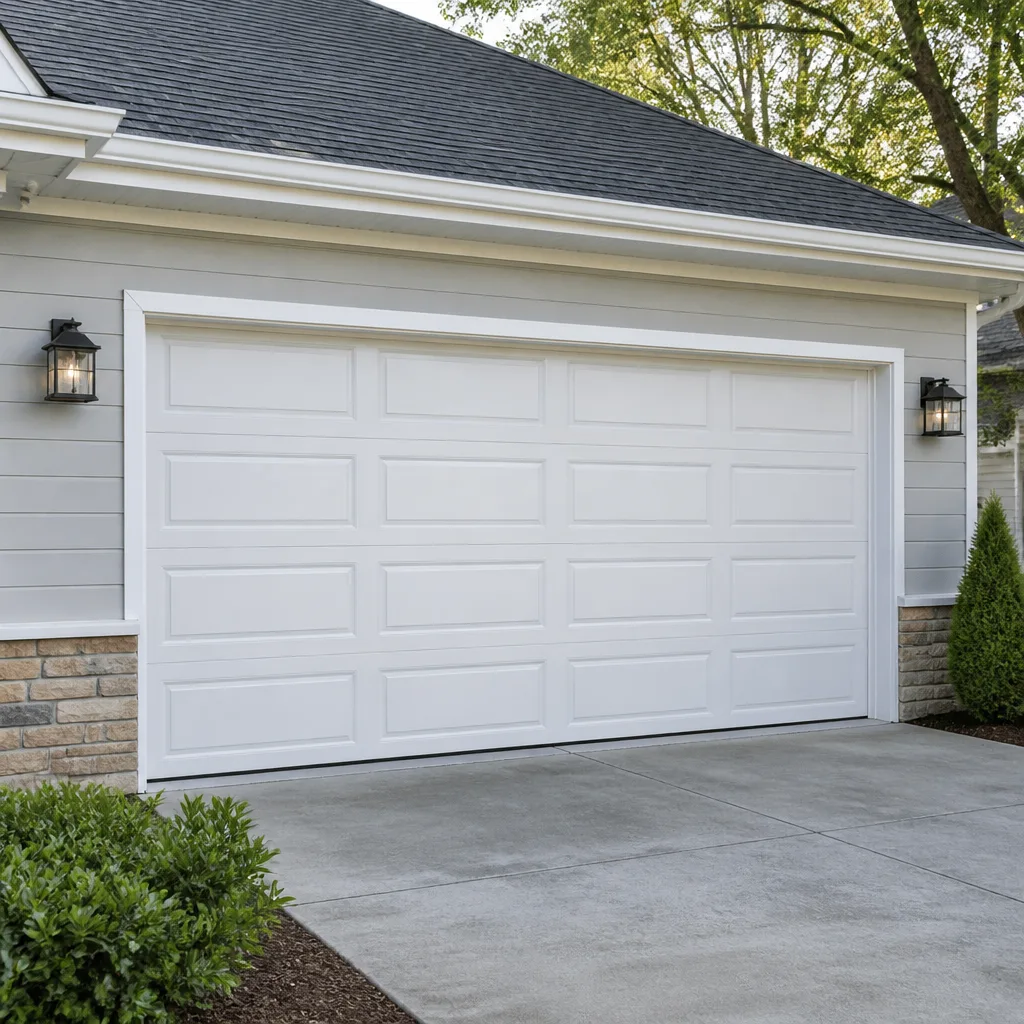 Raised-panel steel
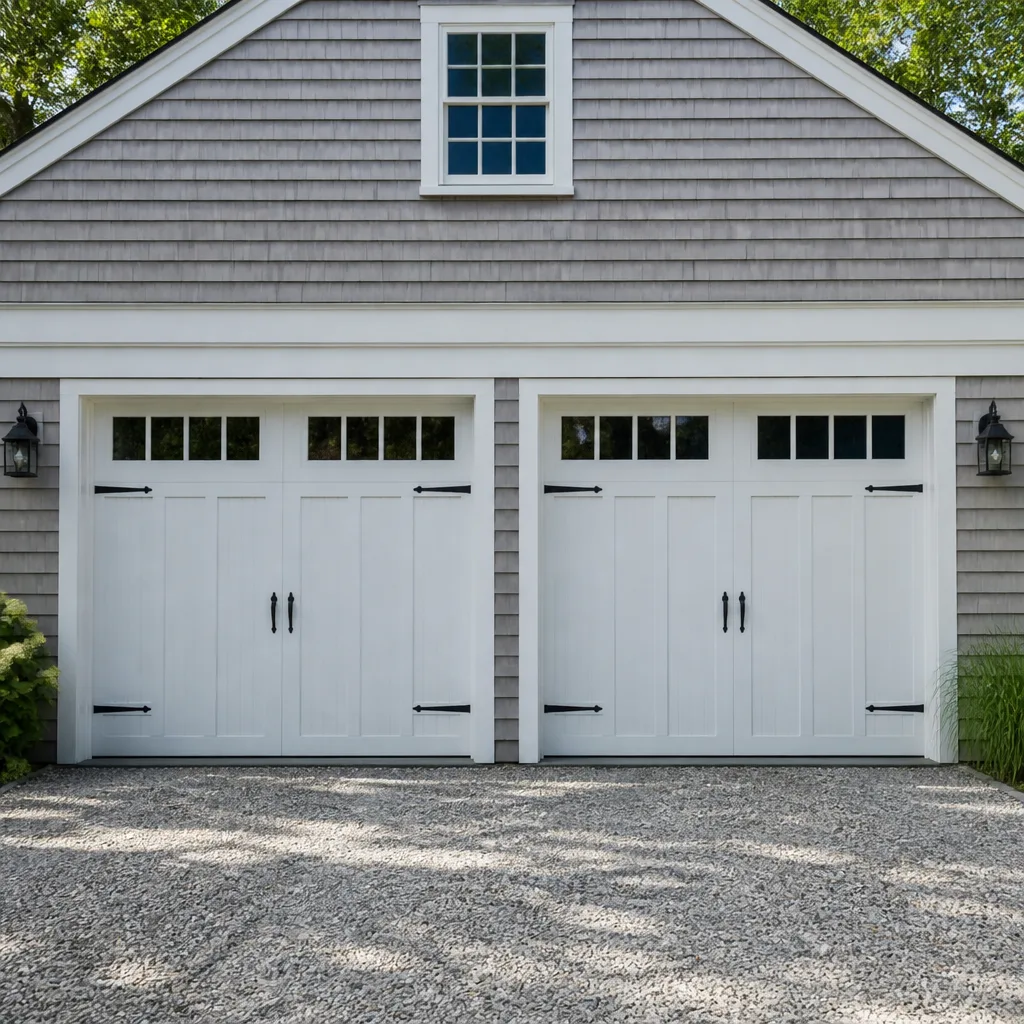 Carriage house
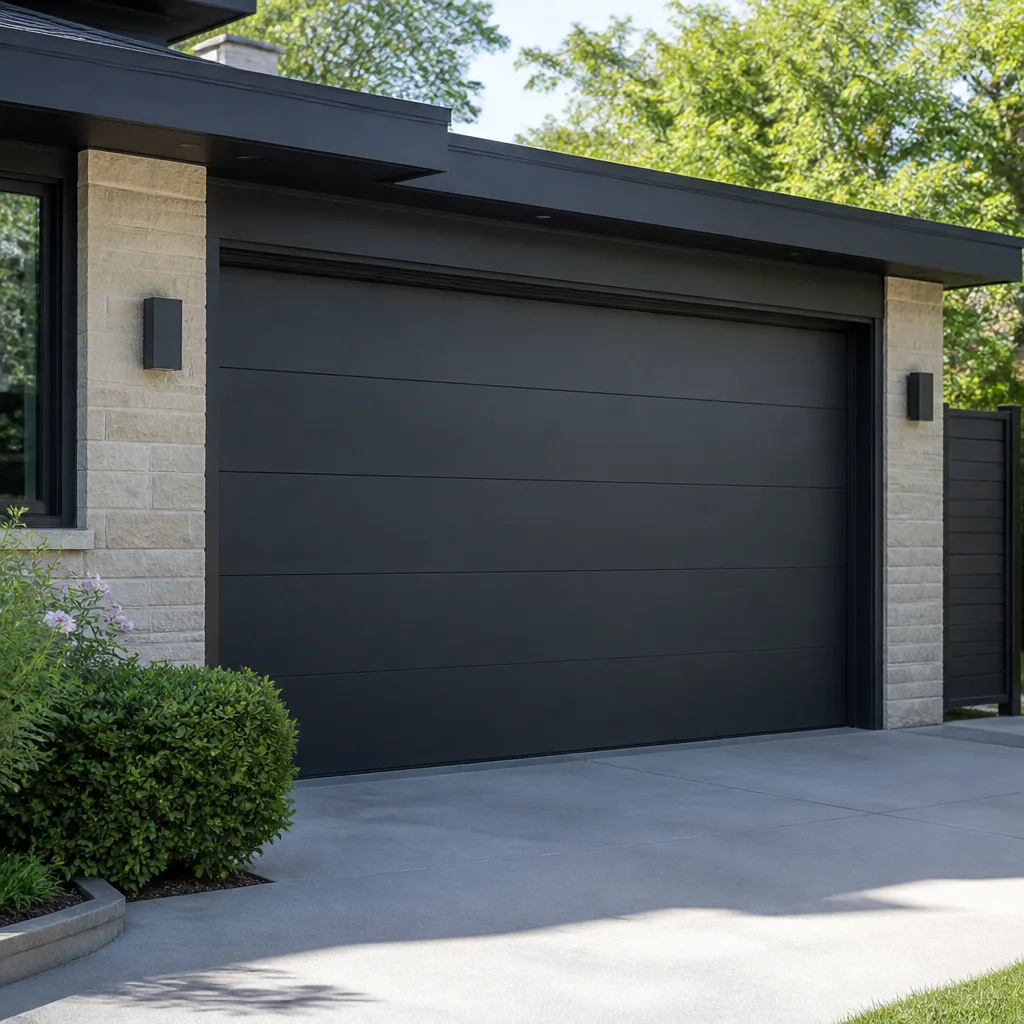 Modern flush
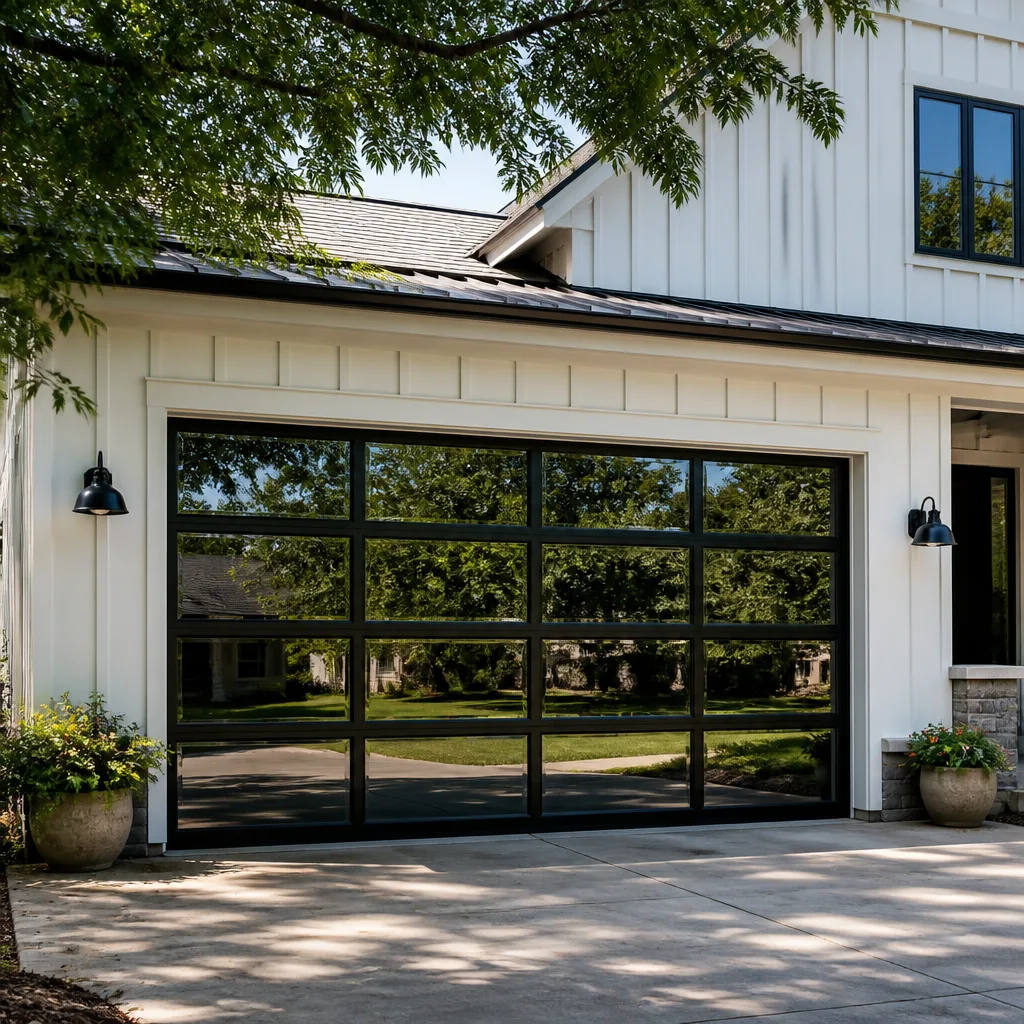 Full-view glass
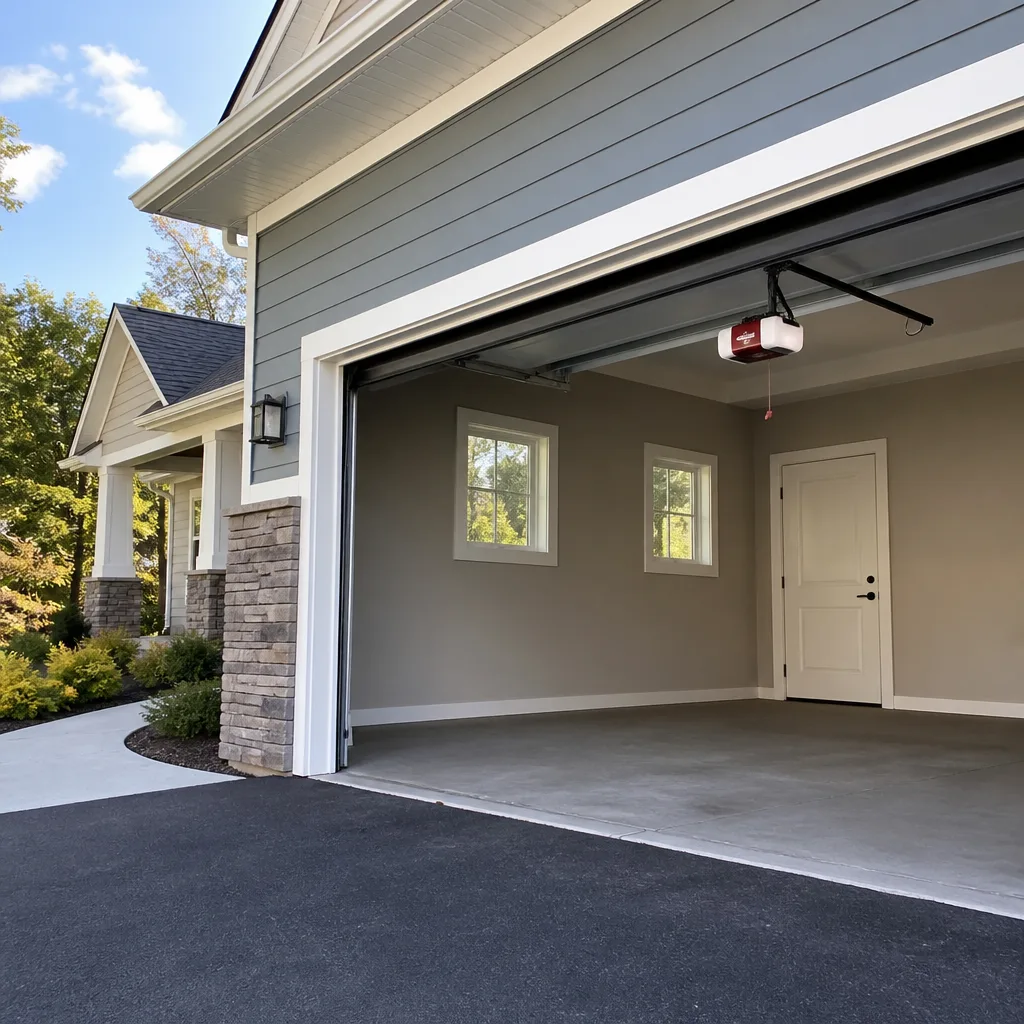 LiftMaster openers
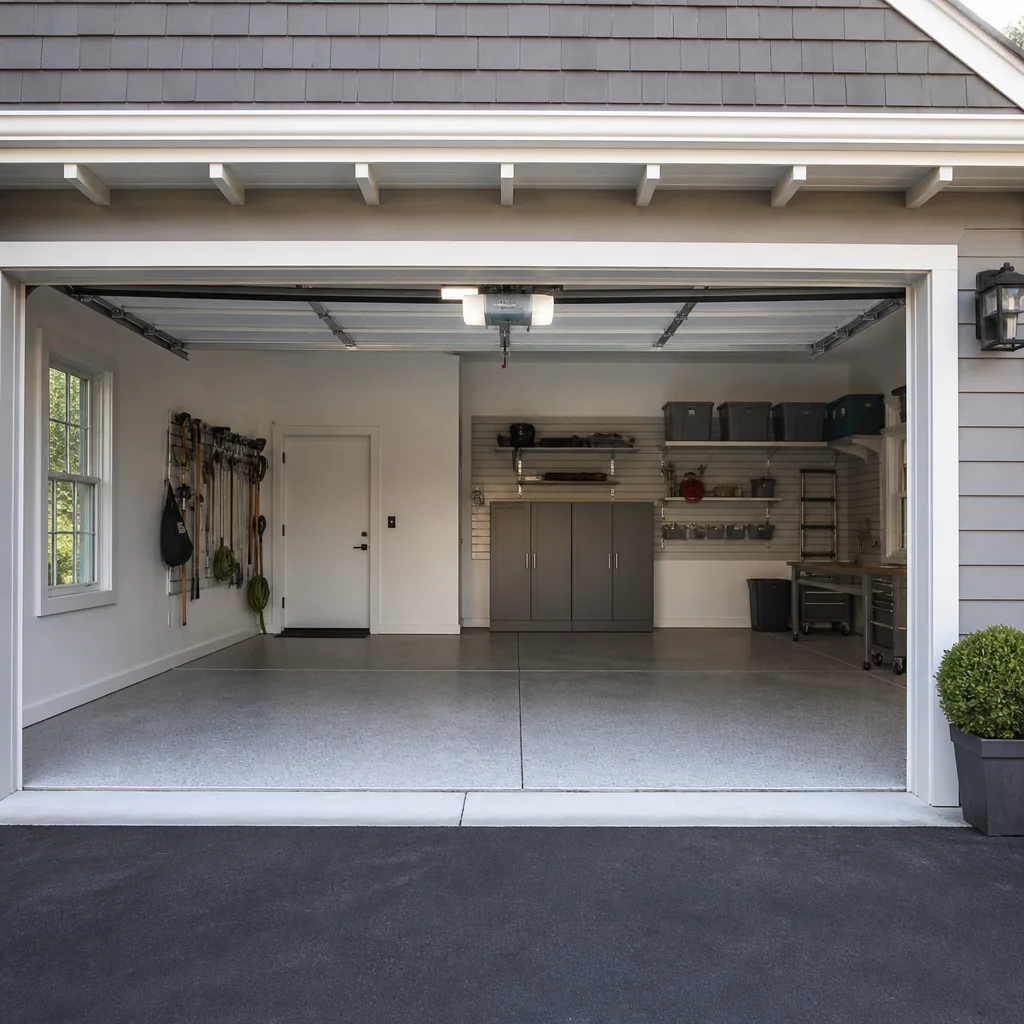 Chamberlain openers
Full 25-point door and opener safety check with every visit - springs, cables, rollers, tracks, and your LiftMaster or Chamberlain opener included
You get a price before we start. It does not change when the truck arrives.
Get your free estimateSeasonal Garage Door Care for Willow Glen: Year-Round Homeowner’s Guide
Here’s what most seasonal garage door guides get wrong about Willow Glen: they’re written for Minnesota. They obsess over snow load, ice dams, and sub-zero lubricant viscosity. None of that applies here. What actually kills garage doors in Willow Glen is the stretch of consecutive 90°F-plus days between June and September, the October leaf drop on our canopy-heavy streets, and the occasional January cold snap when temperatures dip into the 30s and spring tension shifts overnight. If you’ve been following a generic four-season checklist, you’ve been gearing up for challenges we never face while ignoring the ones we do. This guide replaces that model with a Willow Glen-specific calendar built around the actual climate patterns of the South Bay. You’ll learn what to inspect each month, what to leave alone, and when a specialist is cheaper than a DIY attempt.
Quick Answer
Seasonal garage door care in Willow Glen means different things depending on the time of year: in summer you’re watching for heat-related panel warp and opener motor strain, in fall you’re clearing leaf debris from tracks and sensors, in winter you’re checking spring tension after rare cold snaps, and in the rainy season you’re inspecting threshold seals and track rust. Most homes need about 20 minutes of inspection per season and one annual professional tune-up. The biggest mistake Willow Glen homeowners make is applying cold-climate garage door advice that doesn’t match our actual weather.
Styles & brands we work with
- Raised-panel steel
- Carriage house
- Modern flush
- Full-view glass
- LiftMaster openers
- Chamberlain openers
Table of Contents
- Why Willow Glen’s Climate Breaks the Standard Four-Season Model
- Summer Heat: The Real Test for Willow Glen Garage Doors
- October Leaf Season: Willow Glen’s Debris Problem
- Cold Snaps: What Happens When Springs Contract
- Rainy Season Prep: Seals, Rust, and Older Wood Doors
- Willow Glen Garage Door Task Calendar
- What Homeowners Can Safely Do vs. What Needs a Pro
- Common Mistakes to Avoid
- When to Call a Professional
- Frequently Asked Questions
Why Willow Glen’s Climate Breaks the Standard Four-Season Model
Willow Glen sits in a Mediterranean climate zone. Our weather pattern is: wet, mild winters followed by long, dry, increasingly hot summers. There’s no freeze-thaw cycle to speak of. No snow. No sustained humidity. What we get instead are three distinct garage door stressors that out-of-state guides never mention.
First, sustained heat. Willow Glen regularly sees summer stretches where the ambient temperature exceeds 90°F for two or three weeks straight. A garage door facing west or south can absorb enough solar radiation to reach surface temperatures 20 to 30 degrees above ambient. That’s not just uncomfortable, it’s a measurable physical load on steel panels, weather stripping, and opener motors.
Second, our urban canopy. Willow Glen’s tree-lined streets, particularly in the older neighborhoods near Lincoln Avenue, generate enormous leaf volume every October and November. Those leaves find their way into photo-eye sensors, track channels, and the bottom seal gap. Debris that would blow away in a drier, less treed environment just sits and accumulates here.
Third, our cold snaps are rare but real. When San Jose drops into the mid-30s for two or three nights, which happens most winters, torsion springs contract. A spring that was perfectly tensioned at 65°F behaves differently at 37°F. Typically the door drifts a few inches, or the balance shifts slightly. It’s usually not a failure, but it’s a signal. Our Garage Door Repair in Willow Glen service sees a small uptick in balance-related calls after every cold snap.
The bottom line: standard four-season advice tells you to “winterize” in October. In Willow Glen, October is about leaves, not frost. Spring maintenance matters less than summer heat preparation. If you’re working from a cliché calendar, you’re misallocating your effort.
Summer Heat: The Real Test for Willow Glen Garage Doors
Consecutive days above 90°F do more to Willow Glen garage doors than most people realize. Metal expands when heated. A 16-foot steel panel door can expand by an eighth to a quarter of an inch across its width during a heat wave. That expansion pushes against tracks, compresses weather seals, and changes the way the door sits in its opening.
What Heat Does to Panel Doors
Steel panels from Clopay, Amarr, and Wayne Dalton are engineered with thermal expansion allowances, but older doors or doors with worn hardware don’t always absorb the movement gracefully. The first symptom is usually rubbing or scraping as the door travels. The second is a door that sits slightly crooked at the bottom when closed. In our experience with Garage Door Installation in Willow Glen, doors that were installed level in March sometimes show visible alignment drift by August, particularly on west-facing garages.
What to check during summer heat waves:
- Watch the door travel the full open-close cycle. Listen for new scraping or grinding sounds.
- Look at the bottom seal when the door is closed. Does it compress evenly, or is one side tighter than the other?
- Observe the gap between the door edge and the track. A quarter-inch variance side to side is normal. More than that warrants attention.
- Check the weather stripping along the sides. Heat-compressed stripping can leave small gaps that let in dust and hot air.
If you have an older Wayne Dalton or Craftsman door with original hardware, heat cycles accelerate wear on hinges and roller brackets. Those components take the brunt of expansion forces. The fix is usually a simple adjustment, but catching it early prevents the misalignment from eating a set of rollers.
Opener Motor Thermal Limits
Opener motors sit at the top of the garage, where heat collects. On a 95°F day, the air temperature near an uninsulated garage ceiling can reach 110 to 120°F. LiftMaster and Chamberlain opener motors have thermal cutoff switches that trip if the motor overheats. When that trips, the opener refuses to run for 15 to 30 minutes, which feels random if you don’t know what’s happening.
This isn’t a motor failure. It’s the opener protecting itself. But repeated thermal shutdowns are a sign, either the motor is working too hard due to a door that’s out of balance, or the garage itself needs ventilation. If you hear us mention “thermal lockout” during a service call, this is what we mean. If your opener acts up only on the hottest afternoons and works fine at night, heat is the most likely culprit. Our Garage Door Opener Repair in Willow Glen team diagnoses this frequently between June and September.
October Leaf Season: Willow Glen’s Debris Problem
Willow Glen’s street canopy is one of the neighborhood’s best features. It’s also the source of most fall garage door problems. Sycamore, oak, and maple leaves pile up against the door, and when the door cycles, the bottom edge drags leaves across the threshold into the track channels.
Where Debris Causes Problems
The most vulnerable points on a garage door system during leaf season are the photo-eye sensors, mounted about 6 inches off the ground on either side of the door opening. A single leaf drifting in front of a sensor breaks the beam and the door reverses or refuses to close. Most Willow Glen residents have experienced this at least once, usually in the rain, at night, when they’re already late for something.
The second problem spot is the track channel itself. Leaf fragments, twigs, and the fine dust from decaying leaf litter accumulate in the track and mix with existing grease to form a paste. That paste increases roller friction and makes the door sluggish. Left alone all season, it bakes in place and becomes substantially harder to remove later.
The third area is the bottom seal channel. Leaves collecting under the closed door compress into the seal groove and create a path for water, draft, and pests.
A Willow Glen-Specific Fall Cleanup Routine
- Once a week in October and November: Sweep or blow leaves away from the base of the door before opening it. Thirty seconds of prevention beats fifteen minutes of cleaning out a track.
- Check the photo-eye lenses: Wipe them with a dry cloth. Leaves aren’t the only problem; dust and spider webs along the beam path matter too.
- Run the door through one cycle: Listen for crunching sounds. Crunching means debris in the track, not a mechanical problem. Clean it out before it turns into something more expensive.
- Inspect the bottom seal: Pull out any leaf fragments trapped in the rubber. The seal is flexible, but repeated debris compression can create permanent kinks.
- Once during December: Vacuum the inside of the lower track sections. You’ll be surprised how much fine debris has worked its way in.
If leaves have already caused a problem, like a door that reverses halfway down repeatedly, don’t assume you need a new opener. Half the time, the fix is cleaning the sensor area and removing the leaf that’s breaking the beam. The other half, it’s a door balance issue that the leaf buildup revealed. Either way, the Garage Door Repair in Willow Glen diagnosis is quick.
Cold Snaps: What Happens When Springs Contract
A few nights in the mid-30s won’t hurt a garage door system the way a Minnesota winter would, but cold affects metal springs in a way that’s subtle and easy to dismiss. Here’s the mechanism: torsion springs are rated by their wire thickness, diameter, and length to produce a specific amount of lifting force. That rating assumes an operating temperature in a normal range, call it 50 to 80°F.
Drop the ambient temperature to 35°F and the spring steel becomes slightly stiffer, which means it delivers slightly less lifting force at a given winding position. In practical terms, the door feels heavier when you open it manually. An opener that normally handles the cycle without complaint now draws more current because it’s working harder. The result is a door that moves a bit more slowly on cold mornings, and in some cases, drifts down an inch or two after reaching the open position.
Recognizing Tension Drift
After a Willow Glen cold snap, especially if your garage faces north or is uninsulated, check for:
- The door stopping short of full open, leaving a few inches of panel hanging below the header.
- The door reversing direction right after touching the floor, a sign the close-force setting is fighting the spring rather than working with it.
- The door drifting down half a foot after you manually raise it and release it at waist height.
- More opener motor noise than usual on the first cycle of a cold morning.
If any of those symptoms appear only when the temperature is below 40°F and disappear once the garage warms up, that’s a spring tension issue, not a failing component. But here’s the critical point: don’t adjust torsion spring tension yourself. Torsion springs store a large amount of mechanical energy. An amateur adjustment with the wrong winding bars is how serious hand and forearm injuries happen. If the tension drifts after a cold snap, the safe move is to call a specialist who can re-balance the door properly. We adjust spring tension on doors from Clopay, Amarr, and Wayne Dalton routinely, and on most models the correction takes under an hour.
Rainy Season Prep: Seals, Rust, and Older Wood Doors
November through March brings most of Willow Glen’s annual rainfall. Rain affects garage doors in three ways: water intrusion through worn bottom seals, rust acceleration on exposed steel components, and swelling on older wood panel doors.
Bottom Seal and Threshold Inspection
The most common way water gets into a Willow Glen garage is through a bottom seal that has hardened, cracked, or permanently compressed. Rubber seals lose flexibility over time, and heat accelerates that aging. A seal that looks fine in October may be too rigid by February to conform to the driveway surface when the door closes, especially if the concrete has any texture or slope.
Test yours on a dry day: close the door, then check the seal from inside with a flashlight. You’re looking for daylight visible through gaps between the seal and the floor. If you can see light, water will get in. Also look at the seal’s contact patch against the floor. A healthy seal compresses evenly and leaves a continuous impression. A worn seal contacts in some places and floats above the floor in others.
Track and Hardware Rust Prevention
Garage door tracks in Willow Glen don’t usually rust out, but they can develop surface rust that increases roller friction and shortens roller life. The problem accelerates when humid air from rain combines with dust from the summer dry season. The result is a fine grit that clings to the track and creates grinding wear.
At the start of the rainy season, wipe down the visible lower track sections with a dry cloth. If you see reddish-brown dust, that’s surface rust. For most homeowners, the right intervention is to clean the track and replace worn rollers, not to coat the track in oil. Oil attracts grit and makes the paste problem worse. If there’s meaningful corrosion, replacement of the affected track section is usually more cost-effective than trying to restore it.
Older Wood Doors and Moisture
Some Willow Glen homes, especially those built before the 1980s, still have wood garage doors. Wood swells when it absorbs moisture. During the rainy months, a wood door can gain enough thickness to bind against its frame or rub the weather stripping. Symptoms show up as sticking, scraping, or a door that refuses to open after a week of steady rain.
This is normal behavior for an older wood door, but it signals that the paint or sealant layer has failed. Once the wood is absorbing moisture, the fix is to let it dry, sand or plane the affected edges, and recoat with an exterior sealer. That’s cosmetic carpentry more than garage door repair, but the diagnosis matters: if you force a swollen wood door open and closed through the winter, you’ll crack the panel or strain the hardware. If you have a wood door that’s binding, a professional assessment will tell you whether you’re fixing the door or replacing it with a modern steel panel system. Newer doors from Clopay and Amarr are engineered with moisture resistance that older wood doors fundamentally lack.
Willow Glen Garage Door Task Calendar
Here’s a practical, month-by-month schedule built around Willow Glen’s actual weather, not a generic national template. The idea is to do low-effort checks regularly and schedule professional service only when the calendar calls for it.
January
- Test the door balance: disconnect the opener and lift the door manually. It should hold at waist height without drifting.
- Watch for cold-snap symptoms (see the section above).
- Check the emergency release cord. Make sure it’s not tangled or frayed.
February
- Inspect weather stripping and bottom seal for signs of swelling or cracking from winter moisture.
- Listen to the opener motor during operation. Unusual grinding from a LiftMaster or Genie unit is a diagnostic signal, not something to ignore.
March
- Lubricate rollers and hinges with a silicone-based garage door lubricant. Avoid petroleum-based sprays, which attract grit.
- Check all bolts and brackets on the track mounting. Torque anything that’s worked loose.
- Schedule an annual professional tune-up before the heat arrives. This is the cheapest time of year to catch developing issues.
April & May
- As temperatures climb, start watching for heat-related alignment shifts (see the summer heat section).
- Test the auto-reverse feature, both the mechanical contact reverse and the photo-eye beam. Put a 2×4 flat on the ground under the door path. The door should reverse on contact.
June. August
- During heat waves, note whether your opener shuts down unexpectedly in the late afternoon heat. If it happens more than once, look into the thermal load on the motor.
- Keep the area around the door clear of sun-warping objects stored against panels.
- Check that the garage door sits evenly in its opening once a week. Heat expansion doesn’t always reverse gracefully.
September
- Prepare for leaf season: verify photo-eye sensors are clean and aligned.
- Give the bottom seal a pre-rain inspection before the first Pacific storm fronts arrive.
October & November
- Execute the weekly leaf cleanup routine described above.
- After the first rain, check for water intrusion around the threshold and corners.
- Watch for door reversal at the bottom caused by leaf debris in the photo-eye beam.
December
- Do a full cycle test: open, close, reverse from sensor, reverse from contact. Listen to the entire thing.
- Schedule any needed opener repair before the rainy-season demand peak.
- If you have an older wood door, inspect edges for paint failure while the door is dry.
What Homeowners Can Safely Do vs. What Needs a Pro
We believe in homeowners doing their own maintenance where it’s safe and straightforward. Some garage door tasks are in that category. Others are not, and the distinction matters.
Safe for a Homeowner
- Cleaning photo-eye sensor lenses
- Sweeping and clearing debris from the door threshold and lower tracks
- Applying silicone lubricant to rollers and hinges
- Checking visual alignment and looking for loose bolts
- Testing the auto-reverse system
- Oiling the emergency release mechanism
Leave to a Professional
- Adjusting or replacing torsion springs. The stored energy in a wound torsion spring is enough to break fingers or wrists. This is not a DIY task under any circumstances.
- Adjusting or replacing cables. Cable failure under tension is unpredictable and dangerous.
- Resetting or replacing the opener’s internal logic board or motor assembly.
- Structural track alignment or replacement. If the track needs more than a bolt tightening, it needs a trained eye.
- Any repair involving a door that’s stuck half-open and supporting its own weight on one side.
If you’re unsure which category a task falls into, err on the side of having a professional look. The Garage Door Repair in Willow Glen diagnostic call is fast, and an honest assessment costs far less than a repair required after a well-intentioned DIY attempt has made the problem worse. We’d rather spend ten minutes on the phone telling you something is fine than bill you for labor hours fixing damage someone caused by forcing a spring adjustment.
Common Mistakes to Avoid
- Following a generic “winterization” checklist in October. In Willow Glen, October prep should focus on leaves and rain sealing, not antifreeze and snow load. Applying a Minnesota checklist means you prep for threats that don’t exist here while neglecting the ones that do.
- Ignoring a door that scrapes only during heat waves. Heat-related binding doesn’t self-correct; it accelerates roller and hinge wear. By September, the odds of a stick can turn into a bent track or a stripped hinge.
- Lubricating the track itself. Tracks should be clean and dry, not oiled. Oil in the track channel collects leaf dust and creates the sludge that makes doors sluggish. Lube the rollers and hinges, not the track.
- Oiling a noisy opener motor. An opener motor that grinds or whines is signaling mechanical wear, not dryness. Household oil won’t fix it and can migrate to electrical components.
- Assuming smart openers are self-diagnosing. A LiftMaster or Chamberlain with a myQ app will report error codes, but interpreting those codes in context, especially during a heat wave, takes experience. An app error code is a starting point, not a diagnosis.
- Forcing a swollen wood door in winter. If the door binds, forcing it through the cycle stresses the hardware and can crack the panels. Assess first, operate second.
- Waiting until the door fails completely to call for help. Most garage door problems are cheaper to fix before the failure becomes dramatic. A slack cable or a noisy roller is a $150 repair. A snapped torsion spring that lets the door crash down can be a much bigger problem.
When to Call a Professional
Some situations should always prompt a professional call. A snapped torsion spring is the obvious one, and you’ll know it from the loud bang that sounds like a gunshot from inside the garage. A cable that’s frayed or slipped off the drum is another. If your door is stuck halfway open and won’t move in either direction, don’t force it. If the opener runs but the door doesn’t move, that’s usually a stripped gear or a broken coupler, both of which are inside the opener housing, not the door.
If you’ve run through this seasonal guide and something still doesn’t feel right, or if you found a symptom you’re not sure how to interpret, Granite Garage Door Repair home offers free estimates throughout Willow Glen. Call (877) 265-9458 and describe what you’re seeing. We’ll tell you whether it needs immediate attention or can wait until your next scheduled maintenance.
Frequently Asked Questions
Once a year is right for most Willow Glen homes, ideally in March before summer heat arrives. Homes with heavy daily cycling, such as families with multiple drivers or businesses operating out of a residential garage, may benefit from twice-yearly checks.
Steel panels expand in sustained heat, and that expansion can cause temporary binding against the track or weather stripping. A west-facing door in Willow Glen that absorbs afternoon sun will show the symptom most in late afternoon, then operate fine again once the panels cool.
Basic inspections and lubrication work typically cost less than $200 in the Willow Glen area, while repairs like spring replacement or track realignment vary based on the specific door and brand. We quote the exact price before any work begins, and nothing gets changed without your prior approval. Call (877) 265-9458 for a free estimate.
The mechanical maintenance is the same as any opener, but smart units benefit from occasional firmware checks via the app and a visual inspection of the Wi-Fi module and wiring. If the app stops reporting reliably while the door still opens and closes, the issue is usually connectivity, not the opener motor.
Clear the area in front of both sensors and wipe the lenses with a dry cloth. If leaves blow in during the day, particularly on windy October afternoons, you may need to add a small shield or windbreak near the sensor. If the door still reverses after cleaning, the problem may be alignment rather than debris.
No. Torsion springs store dangerous levels of mechanical energy, and a tension adjustment without proper winding bars is one of the most common causes of serious garage-related hand injuries. A cold-snap tension drift is a simple fix for a trained technician, but it’s not a safe DIY task.
The Bottom Line
Willow Glen doesn’t need a Connecticut-style garage door maintenance plan. We need an honest one built around our actual climate: summer heat expansion, autumn canopy debris, rare but meaningful cold snaps, and a distinct rainy season that tests seals and hardware. The discipline that matters is paying attention consistently, checking the right things in the right months, and knowing the difference between a maintenance task and a repair. Most homeowners can handle the cleaning, the lubrication, and the listening. The rest, spring tension, alignment correction, opener diagnostics for LiftMaster, Chamberlain, Genie, or any other brand, belongs with a specialist who’s seen that exact failure mode before. The Garage Door Repair in Willow Glen team at Granite is available at (877) 265-9458 when you need an experienced set of eyes on your system.
Written by the team at Granite Garage Door Repair, serving Willow Glen since 2017.
See the difference
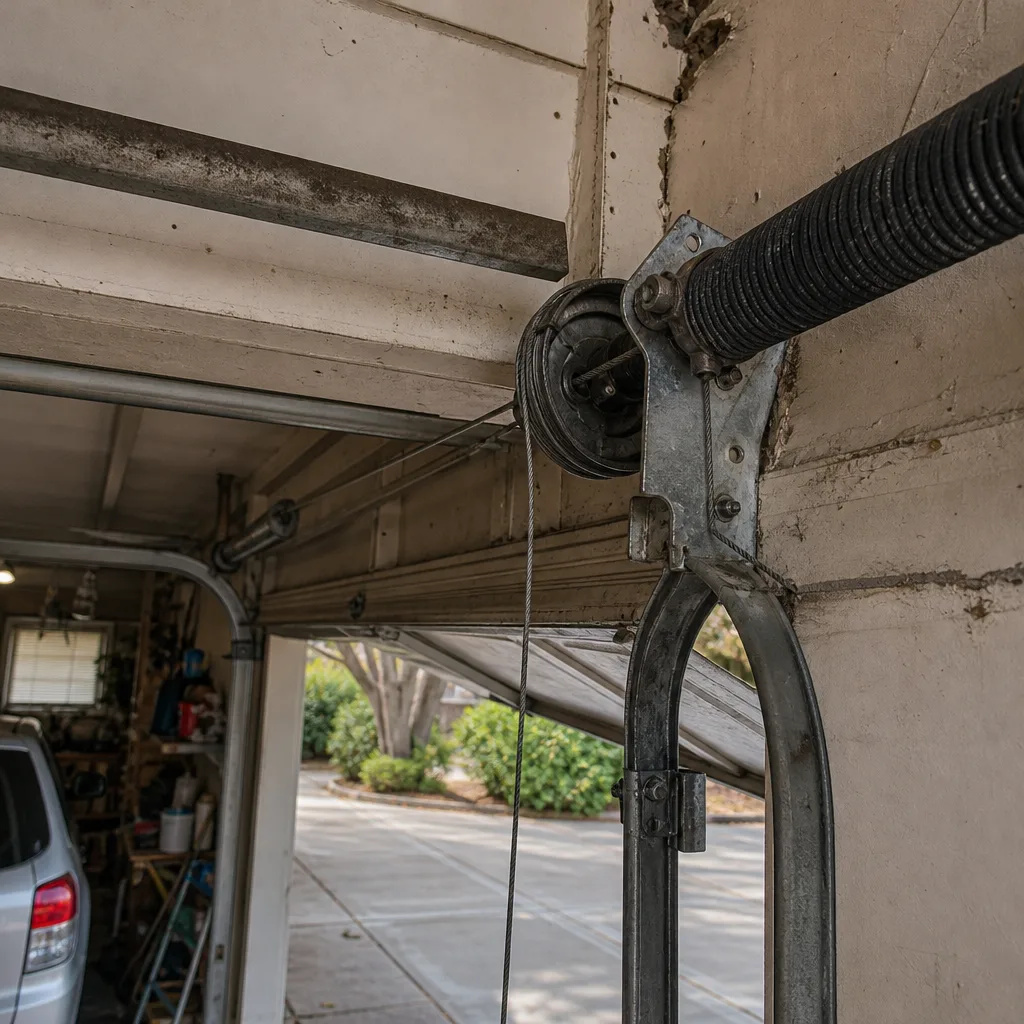 Before
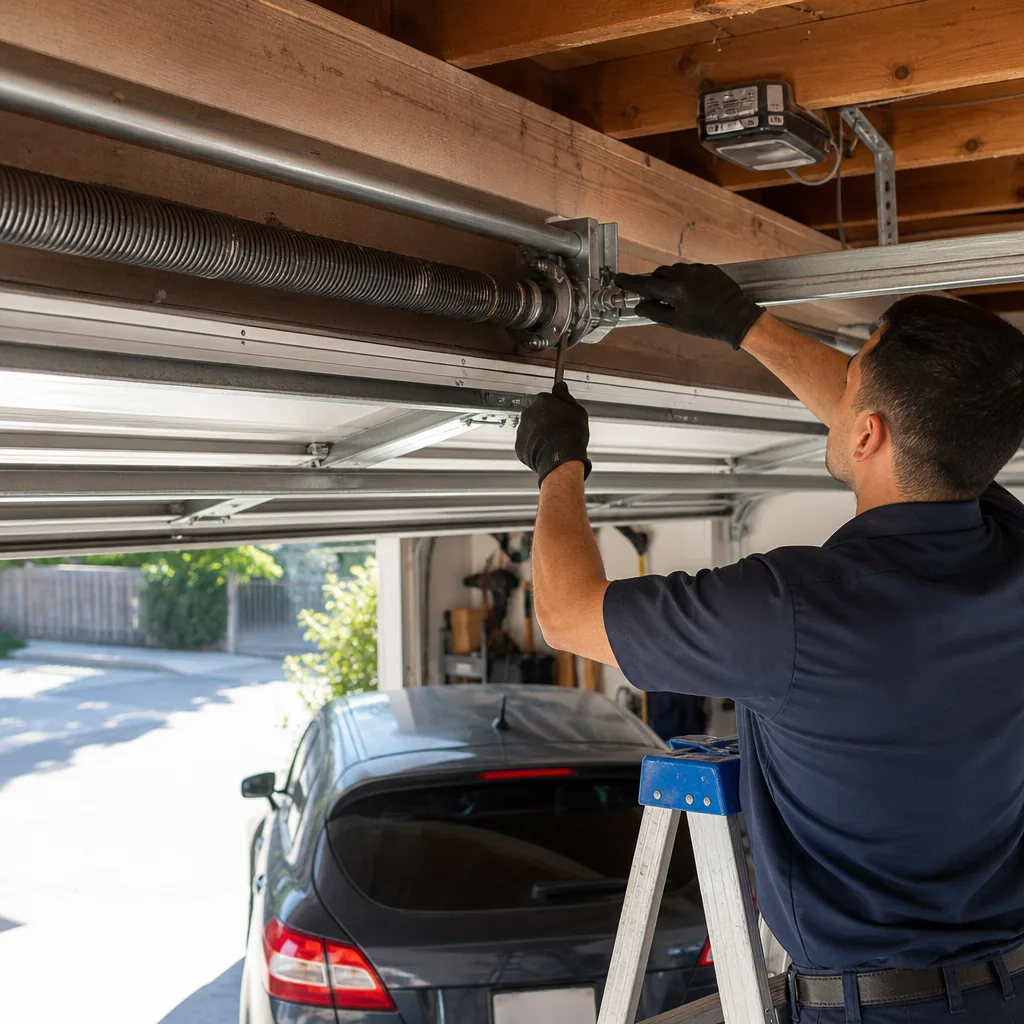 After
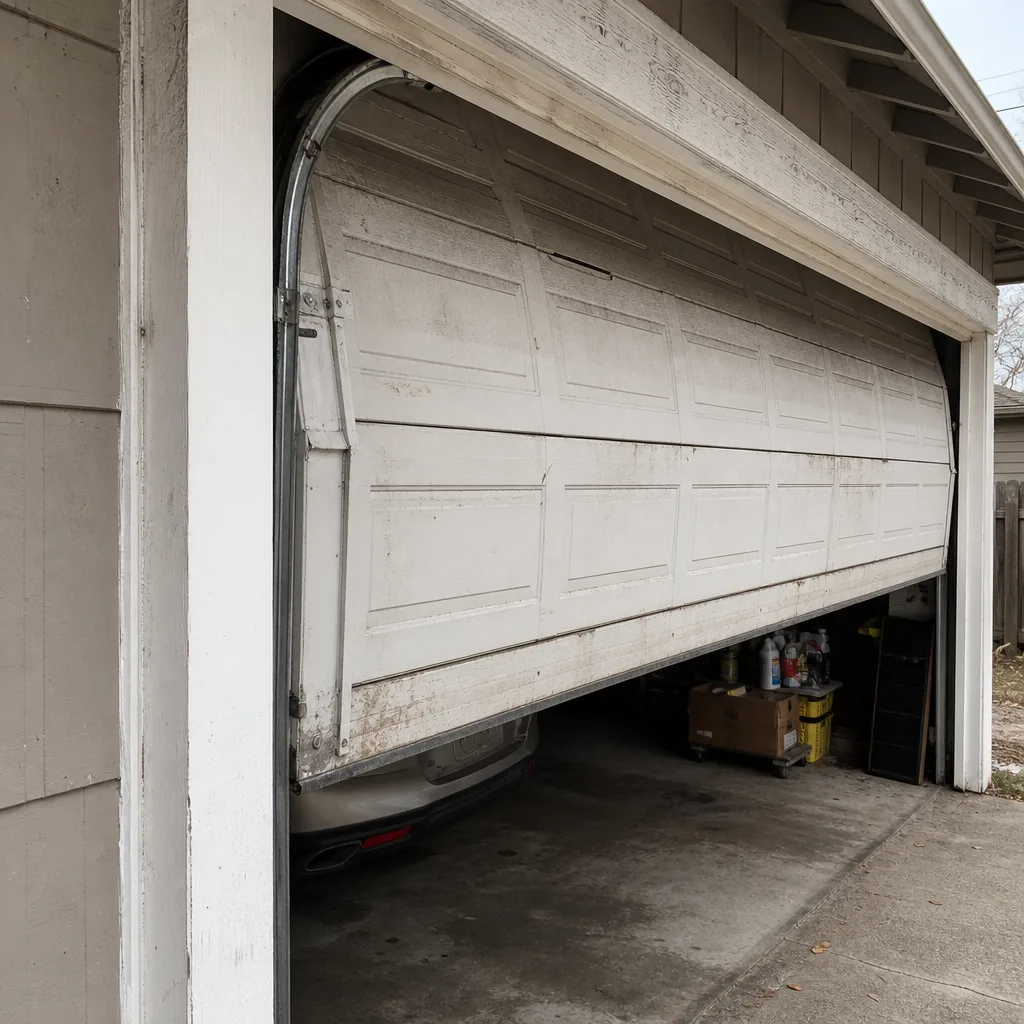 Before
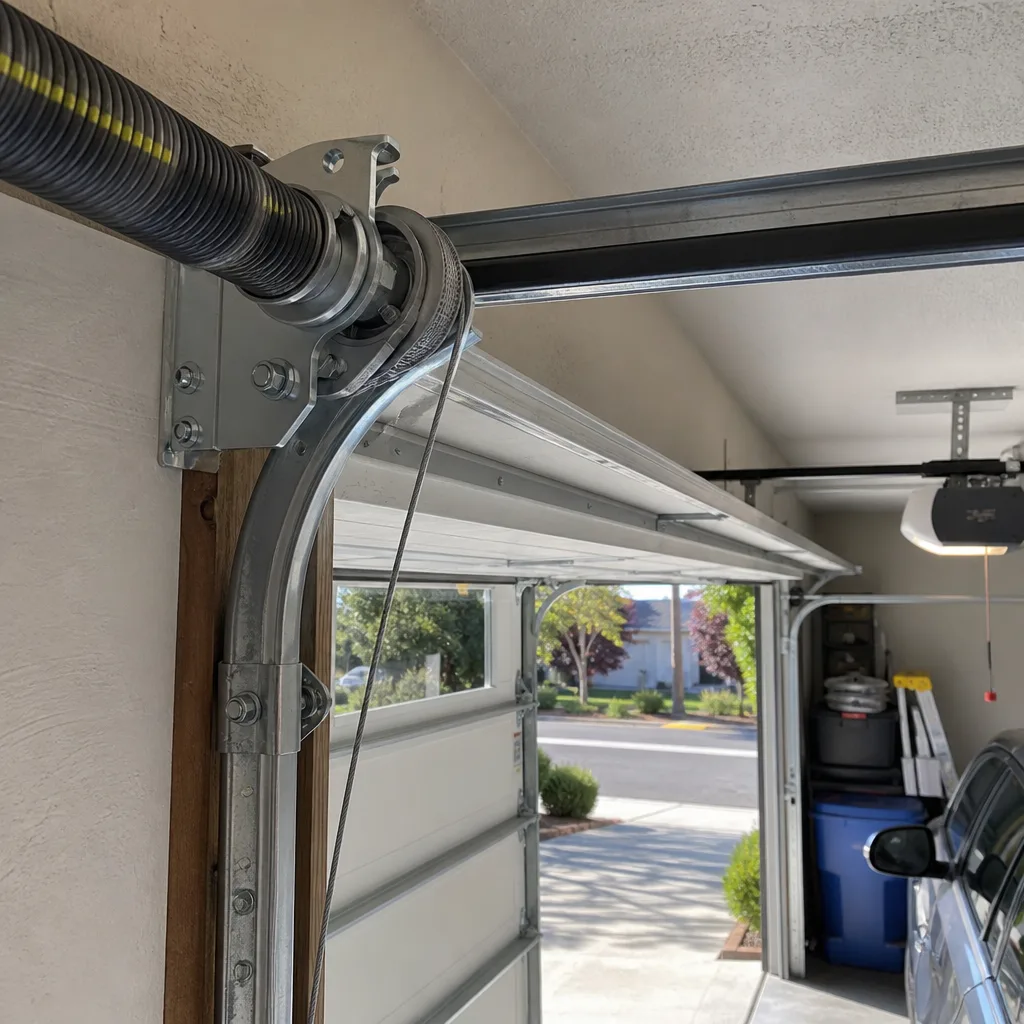 After
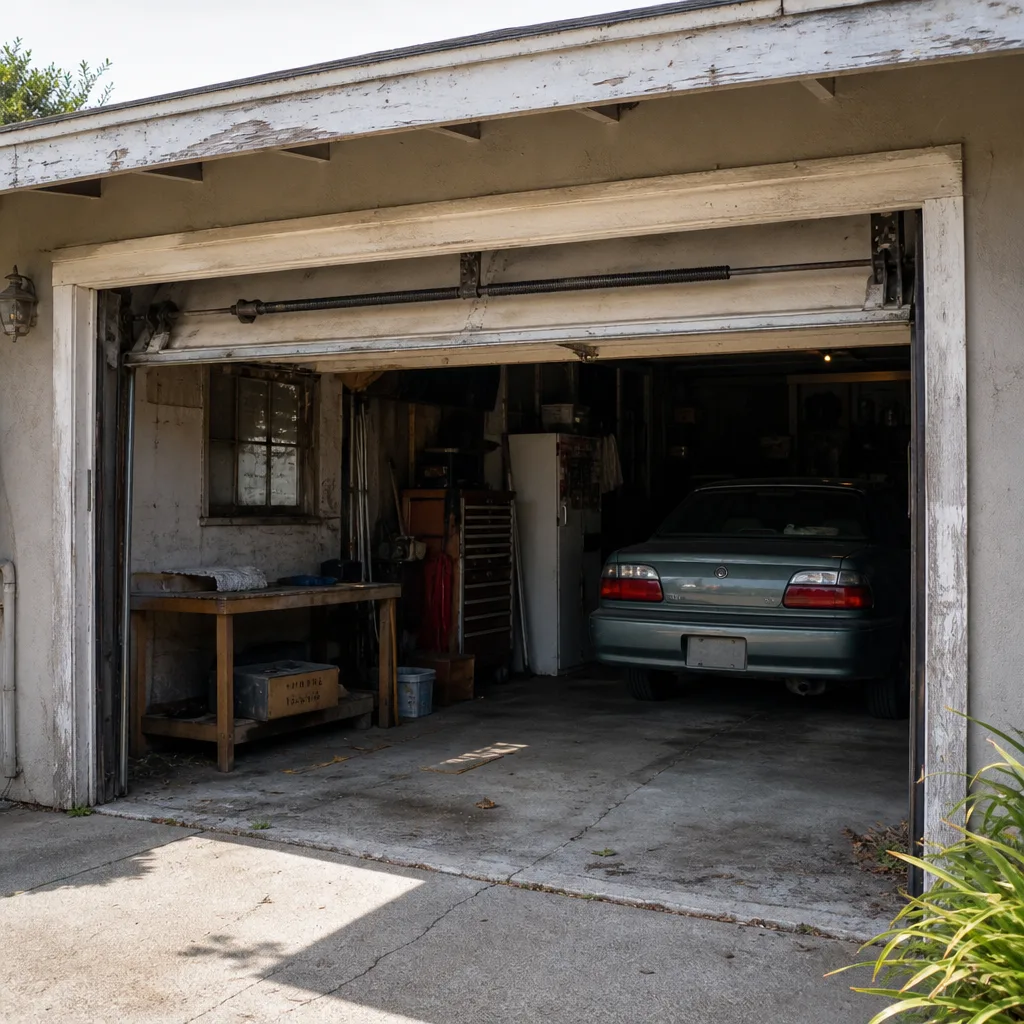 Before
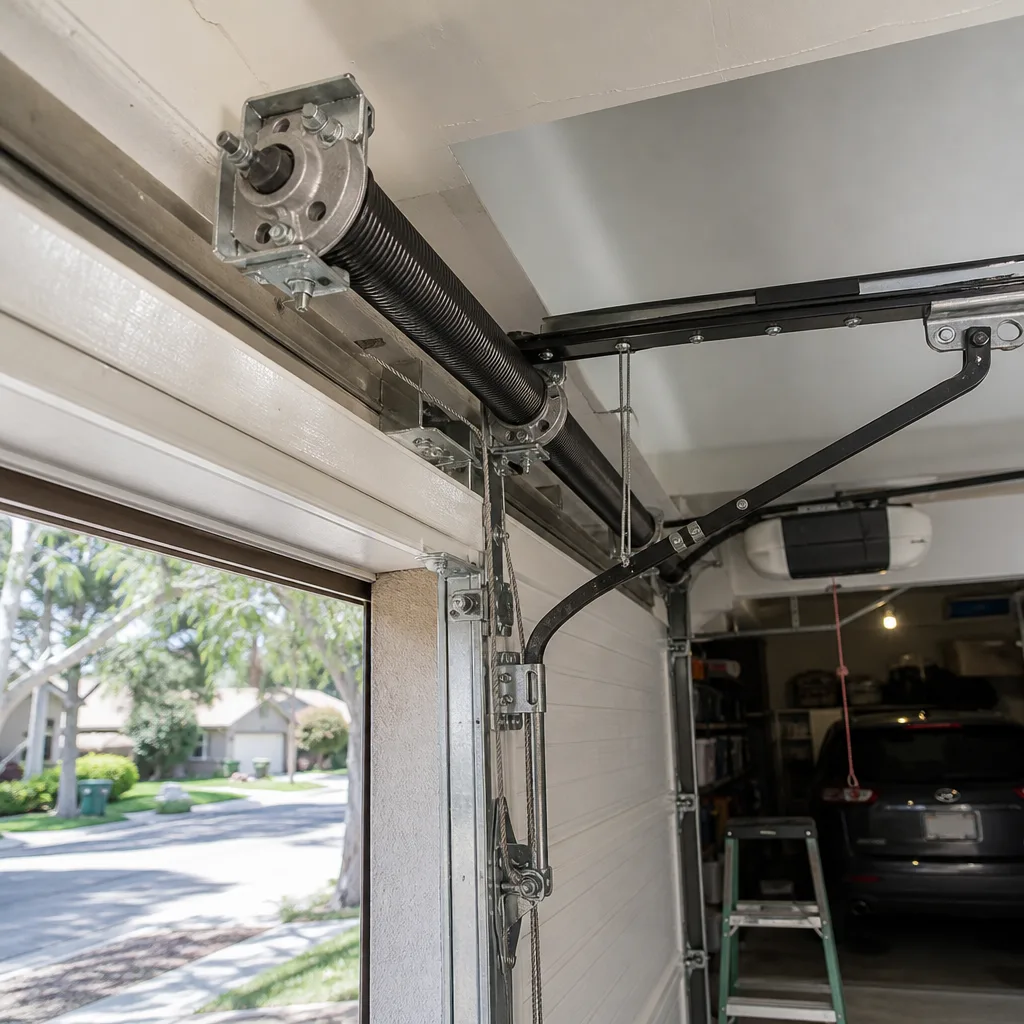 After