
Last updated November 2, 2026
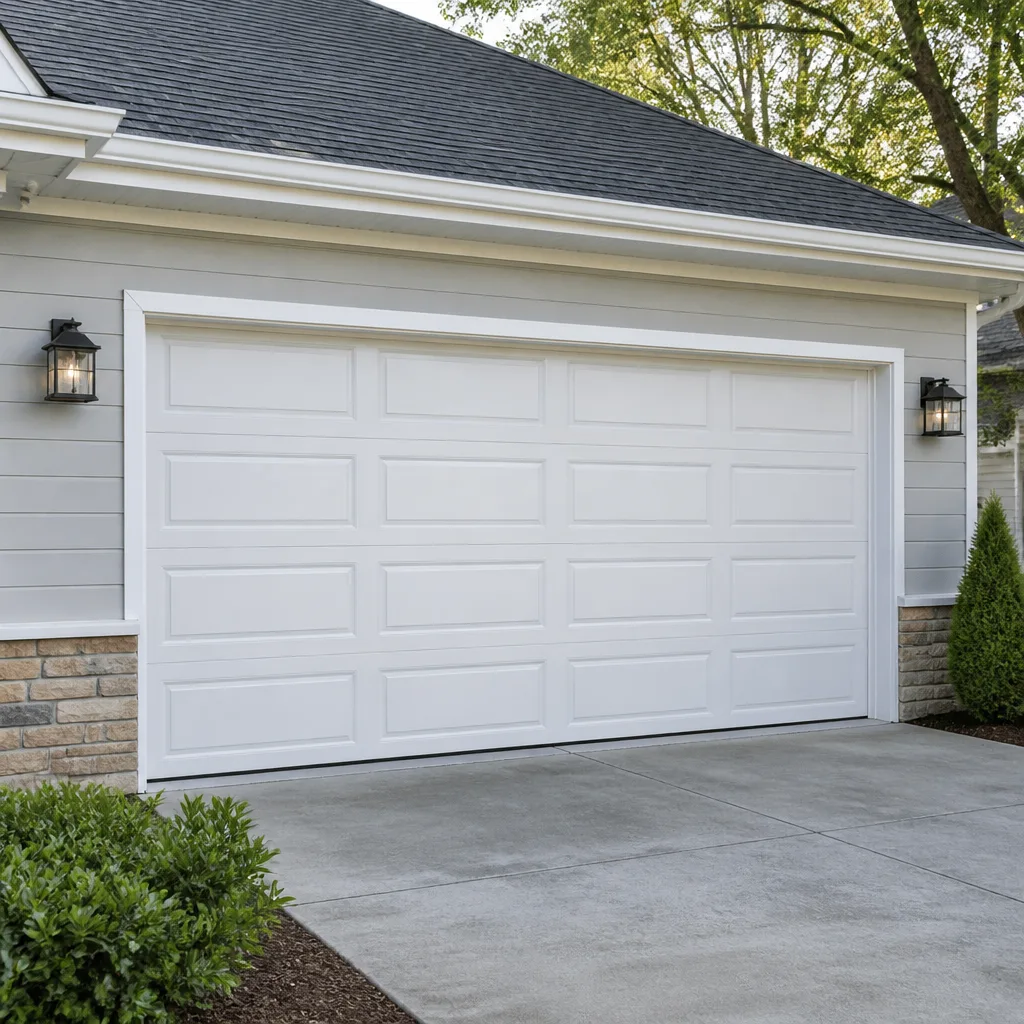 Raised-panel steel
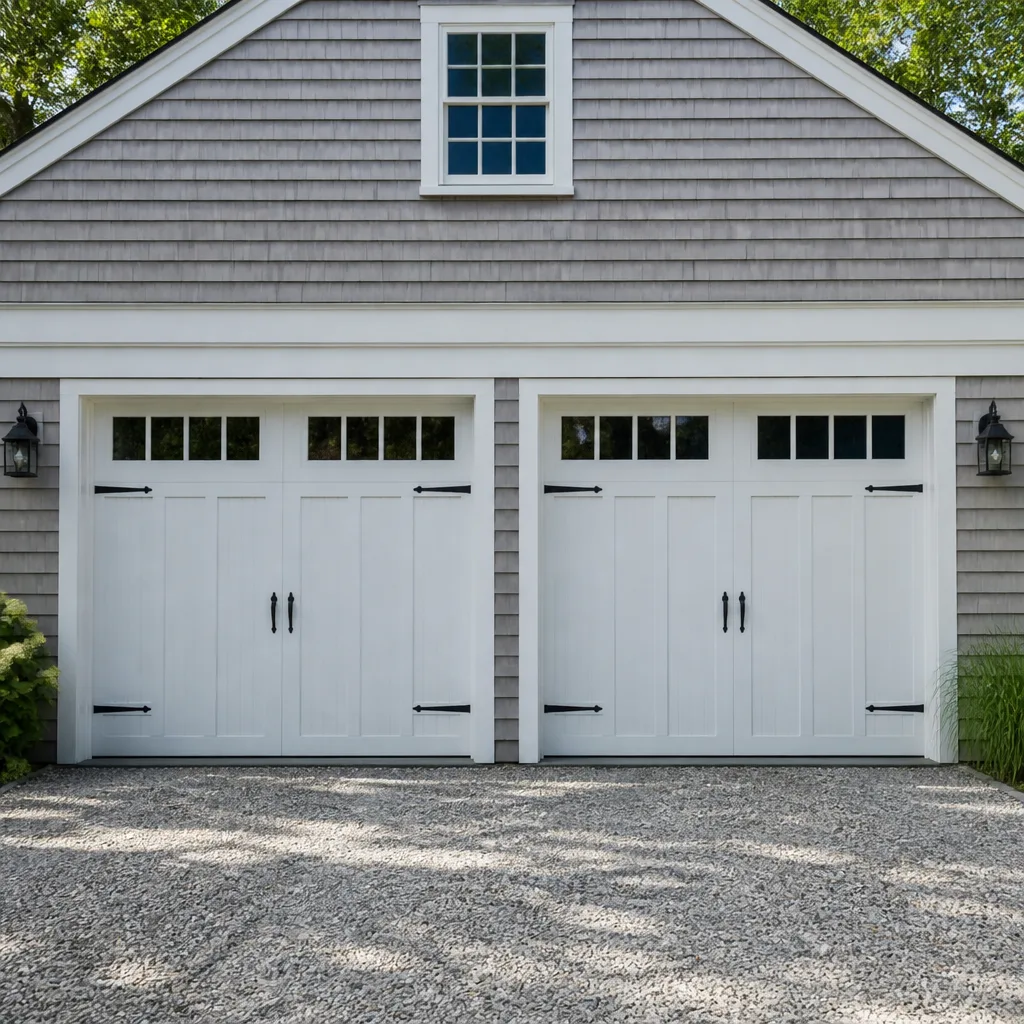 Carriage house
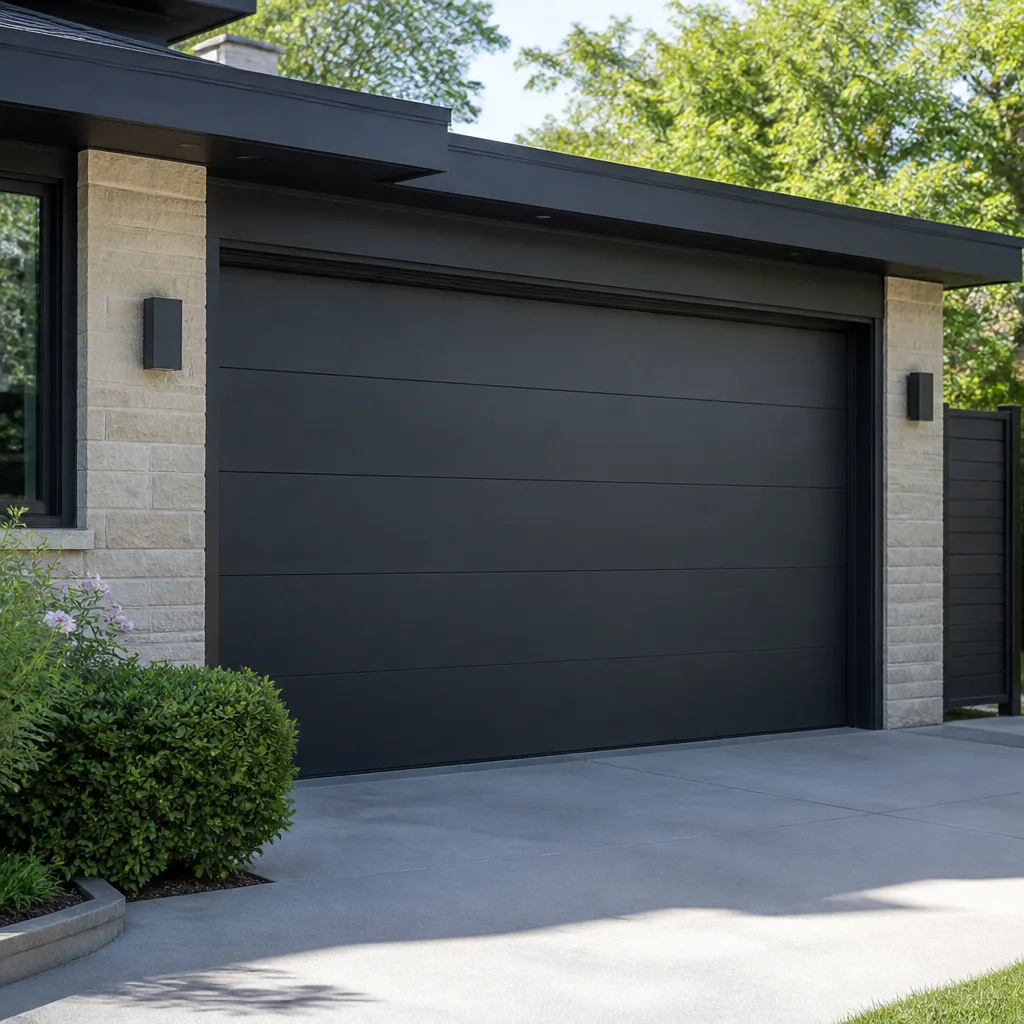 Modern flush
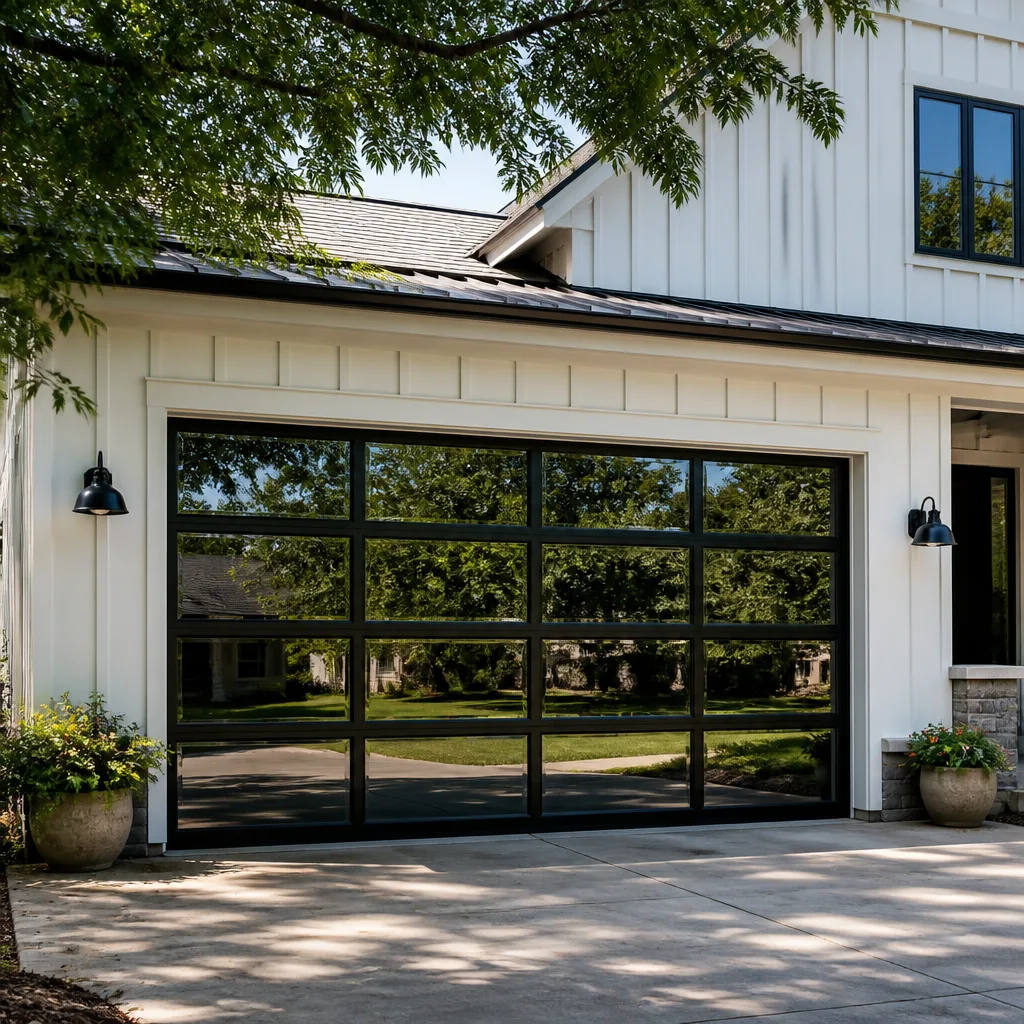 Full-view glass
 LiftMaster openers
 Chamberlain openers
Full 25-point door and opener safety check with every visit - springs, cables, rollers, tracks, and your LiftMaster or Chamberlain opener included
You get a price before we start. It does not change when the truck arrives.
Get your free estimateDIY vs Professional Garage Door: The Willow Glen Homeowner’s Decision Guide
Here’s a number most Willow Glen homeowners never hear: a standard torsion spring on a double-wide garage door holds roughly 100 to 150 pounds of torque when fully wound. When that spring lets go during a DIY attempt, it doesn’t slow down for a warning. Yet in the same garage, a homeowner can adjust travel limits on a LiftMaster opener or swap out a cracked weather seal with zero risk and a ten-dollar trip to the hardware store. The line between “perfectly fine to do yourself” and “call someone who does this daily” is not vague. It is extremely specific. This guide maps every major garage door task in Willow Glen onto that line, with costs, tool requirements, and the consequences of getting it wrong. For more guides & resources, visit our blog.
Styles & brands we work with
- Raised-panel steel
- Carriage house
- Modern flush
- Full-view glass
- LiftMaster openers
- Chamberlain openers
Quick Answer
Most garage door maintenance and minor adjustments are safe DIY tasks for a Willow Glen homeowner with basic tools and patience. Torsion spring replacement, cable replacement, panel replacement, and full door installation are not DIY tasks, because the stored energy and weight involved can cause serious injury and the liability for property damage lands on the homeowner. The smart approach is to handle lubrication, sensor cleaning, weather seal replacement, and limit adjustments yourself, and call a professional for anything involving springs, cables under tension, or structural components.
Table of Contents
- The Real Cost of DIY: Tools, Time, and Trial-and-Error
- Safe DIY Tasks: What You Can Do This Weekend
- DIY-Capable with Risk Acknowledgment
- Never DIY: Torsion Springs, Cables, and Structural Work
- Torsion Springs vs. Extension Springs: Why the Difference Matters
- The California Liability Angle: Insurance and DIY Work
- Step-by-Step: How to Do Each Safe DIY Task Correctly
- Common Mistakes to Avoid
- When to Call a Professional
- Frequently Asked Questions
- The Bottom Line
The Real Cost of DIY: Tools, Time, and Trial-and-Error
The math on DIY garage door work in Willow Glen almost always starts with the assumption that labor is free and tools are… also free. The tools are not free. Let’s look at what a homeowner in the Willow Glen area actually needs to do the safe DIY tasks correctly. A basic garage door maintenance kit runs between $35 and $95 at hardware stores along Lincoln Avenue or online. That covers lithium-based garage door grease (not WD-40, which is a solvent and will strip lubricant), a set of screwdrivers, a level, and replacement weather seal. If you want to do a balance test properly, you don’t need any special tools at all. But the moment you attempt anything involving the spring assembly or cable drums, you need winding bars, which cost $20 to $50 for a proper set, and the knowledge to handle them without injury.
Now look at the professional side. A diagnostic service call in Willow Glen typically runs between $75 and $125, and most companies, including Granite Garage Door Repair, apply that diagnostic fee toward the repair cost. If the job is a broken spring, the parts cost $40 to $90, and the labor brings the total to roughly $180 to $340 for a single spring on a standard door. The homeowner who attempts that spring replacement buys winding bars, spends three hours watching videos, and then realizes the spring they bought online is the wrong wire size for their door. That’s a $60 mistake on parts plus the cost of the bars plus the afternoon. And that’s the best-case scenario, before we talk about what happens when the bar slips.
Time is the other hidden cost. The average DIY-safe maintenance task takes 20 to 45 minutes. The average homeowner attempting a full door panel replacement or spring swap spends an entire weekend and still ends up with an unbalanced door that opens crooked. For Willow Glen homeowners with kids, carpools, and commutes into San Jose or up north, that Saturday has real financial value. We’re not saying every DIY task is a bad deal. We’re saying the cost comparison is more honest when you include the tools you won’t use again and the repair call to fix what went wrong.
Safe DIY Tasks: What You Can Do This Weekend
These are the jobs a Willow Glen homeowner can do with no risk to life, limb, or the structural integrity of the door. We’ve watched plenty of homeowners handle these tasks comfortably, and the savings are genuine.
- Track alignment checks: Use a level to verify both vertical tracks are plumb. If a track is out of alignment by more than a quarter-inch, loosen the mounting bracket, tap the track gently with a rubber mallet, and re-tighten. No load-bearing parts are involved.
- Sensor cleaning and alignment: Photo-eye sensors collect dust and pollen, especially in Willow Glen’s dry seasons. Wipe both lenses with a dry cloth, then verify the small indicator lights are steady. If they’re blinking, adjust the sensor bracket until both lights show solid.
- Limit and force adjustments: Every modern opener, including LiftMaster and Craftsman units, has two small knobs or digital controls on the motor housing that govern how far the door travels and how much force it uses. Decreasing the force setting can prevent the door from closing on a bicycle or a dog. This requires a flathead screwdriver and ten minutes.
- Weather seal replacement: The rubber strip at the bottom of the door dries and cracks after a few Willow Glen summers. Slide the old T-shaped seal out of its retainer channel, cut the new seal to length with scissors, and slide it in. Cost is $12 to $25 depending on door width.
- Lubrication: Use lithium-based garage door grease on the rollers, hinges, and the torsion spring. Do not lubricate the track itself, which causes the rollers to slip. A can of white lithium grease costs $6 at any San Jose hardware store and lasts two years.
- Balance testing: Disconnect the opener by pulling the red release cord, then manually lift the door to waist height. A properly balanced door stays put. If it falls or rises, the springs are worn or incorrectly sized. This tells you whether a professional spring check is needed, and it costs nothing.
None of these tasks requires more than a level, a screwdriver, a rubber mallet, and some grease. They’re safe because they never involve touching parts under tension or lifting the full weight of the door. For homeowners in the Cambrian Park and Willow Glen neighborhoods who want to keep their door running smoothly between professional tune-ups, these six tasks cover 80 percent of what deteriorates.
DIY-Capable with Risk Acknowledgment
There’s a middle tier of garage door tasks that a careful homeowner can do, but only with a clear understanding of what can go wrong. We’re not going to pretend these are “safe.” They’re not. They’re possible, and occasionally worth doing yourself if the alternative is waiting days for a service appointment. But every one of these jobs involves the door’s weight or moving components.
- Roller replacement on non-bottom brackets: Hinges one through four on most residential doors can be accessed by unbolting the hinge from the panel. The roller slides out. This is a ten-minute job per roller with no spring work involved. The bottom roller, however, sits in a bracket bolted to the bottom panel and connected to the cable. Do not touch the bottom roller.
- Motor head replacement on a wall-mounted opener: Replacing only the motor unit while keeping the existing rail, chain, and traveler can work. But wall-mounted units like the LiftMaster 8500W have internal springs that can recoil if disassembled wrong. Homeowners who attempt this should turn off power at the breaker and follow factory instructions literally.
- Hinge replacement: Cabin hinges that connect panels are straightforward to replace with a socket wrench and replacement hinges, which cost $8 to $20 each at hardware stores. The door must be in the closed position, and the spring tension remains untouched. The main risk is the door shifting while the hinge is off, so never remove more than one hinge at a time.
- Track bolt tightening: Over time, the bolts holding the track to the wall loosen from repeated door cycles. Tightening them is safe as long as you don’t attempt to remove or reposition the track while it’s under load. Use a socket wrench and a level to check alignment after.
If you start one of these tasks and realize the door is shifting, the cable is fraying, or a part doesn’t look like the one in the video, stop. The repair call will cost less than repairing what you bent or broke. For a more detailed look at what full Garage Door Repair in Willow Glen involves, see our service overview.
Never DIY: Torsion Springs, Cables, and Structural Work
We’re going to be blunt here because we’ve seen the aftermath. There are three components of a garage door system that no Willow Glen homeowner should ever attempt to service or replace. This is not about protecting professional territory. This is about the physics of stored energy and the liability that follows an injury or a mistake.
Torsion springs. The springs mounted on the metal shaft directly above the closed door. Each one is wound with 7 to 8 quarter-turns of tension when installed, and that energy is what lifts the door. When a homeowner puts a screwdriver or a pair of improvised bars into the winding cone and the spring slips, the bar becomes a projectile. We’ve seen torsion springs put holes through drywall. The injury statistics are not theoretical; torsion spring failures account for the large majority of serious garage door DIY injuries. Professional replacement involves the right diameter winding bars, the correct spring wire size for the door’s weight, and a winding sequence that cannot be learned from watching a single video.
Lift cables. The pair of steel cables that run along the outside edges of the door and wrap around drums at the top. These cables are under the same tension as the springs. If one cable snaps while you’re working on the other, the full weight of the door can drop suddenly and the remaining cable can whip across the garage. Cable replacement always requires releasing the spring tension first, which is a professional task by definition.
Bottom panel and full section replacement. The bottom section of any garage door is the one that carries the cable brackets and the bottom weather seal. Replacing a dented or rotted bottom panel requires detaching those cable brackets, which requires unwinding the springs. Full section replacement on a Wayne Dalton or Raynor door is a factory-modular job that assumes you can match panel geometry and rebalance the complete door. This is never a weekend project.
The rule is simple: if the part you’re touching is directly involved in lifting or arresting the door’s weight, it’s a professional job. Everything else is negotiable.
Torsion Springs vs. Extension Springs: Why the Difference Matters
Most Willow Glen homes built before the 1990s have extension springs: the long springs that stretch along the horizontal track on both sides of the door. Newer homes and most replacement doors use torsion springs on the shaft above the door. The distinction matters because extension springs have a reputation as “less dangerous” and some homeowners use that reputation to justify a DIY approach. The reputation is wrong.
Extension springs store energy by stretching. When the door closes, each spring stretches to roughly double its resting length. The stored energy is substantial, and when an extension spring snaps, the broken end travels in whatever direction the spring was pointing. Older extension spring systems that lack a safety containment cable running through the center of the spring are especially hazardous, because the broken spring becomes an unguided projectile. If you have an older Craftsman or Genie system with exposed extension springs and no containment cable, you have a safety issue, not a maintenance issue. A professional should evaluate that immediately.
Torsion springs store energy by twisting around a stationary shaft. The energy is contained until the winding cone is moved, which is why the danger point is the installation and winding process, not normal operation. When a torsion spring breaks in service, it typically unwinds along the shaft and makes a loud bang, but it stays in place. When a torsion spring is mistakenly unwound by a homeowner using the wrong tool, the bar becomes the hazard. This is why we tell Willow Glen homeowners: respect both spring types, and treat the tool insertion point as the moment of maximum danger.
Neither spring type is a YouTube project. A professional from Willow Glen can identify which spring system your door uses, verify the wire gauge and winding count, and order the exact replacement. That level of spec-matching is not available at a hardware store checkout.
The California Liability Angle: Insurance and DIY Work
This is the section most DIY garage door guides skip, and in California it is the argument that ends the debate for most homeowners. California operates under a comparative negligence standard for property damage and personal injury claims. What that means in plain language: if your DIY garage door work damages your neighbor’s property or injures someone, the court decides what percentage of fault falls on you, and you pay that percentage.
Consider a realistic Willow Glen scenario. A homeowner installs a new smart opener from LiftMaster without properly setting the force sensitivity. Six months later the door closes on a visitor’s vehicle because the force setting was too high to reverse. The visitor’s insurance company investigates, finds the installation wasn’t done to factory spec, and the homeowner’s homeowner’s policy reviews the claim. Most standard California HO-3 policies do cover negligent DIY work by the policyholder, but the deductible applies, the claim goes on record, and renewal premiums increase. If the work involved a building permit – and some garage door structural modifications in San Jose require a permit – an unpermitted modification can trigger a coverage denial. See Garage Door Permits, Codes & Inspections in CA: What You Need to Know for details.
The bigger issue comes with injuries to hired help or even a neighbor who offers to assist. California requires homeowners to carry workers’ compensation insurance for any worker who is not a licensed contractor. A neighbor helping you carry a 200-pound door panel is not an employee, but if that neighbor drops the panel on their foot and incurs medical bills, your homeowner’s policy may be the only source of recovery. The neighbor can sue. The policy may cover it. The premium consequences are yours.
Professional garage door companies doing work in Willow Glen carry liability insurance and workers’ compensation coverage because California requires it of contractors. If a technician drops a panel on their own foot, that claim goes to the company’s carrier, not your home insurance. That transfer of liability is a financial benefit that never appears on the invoice but is worth more than the labor charge on any structural job. It is one of the least appreciated reasons to call a Garage Door Installation in Willow Glen contractor for anything involving springs, cables, or full door replacement.
Step-by-Step: How to Do Each Safe DIY Task Correctly
The following instructions assume a standard single-family home in Willow Glen with an opener installed. If you have a Genie, LiftMaster, Chamberlain, or Craftsman opener, the locations of controls vary, but the underlying principles match. Always disconnect power at the opener before working near the door, but leave the door in the closed position for maintenance tasks.
- Lubricate the moving parts. With the door closed, apply lithium-based grease to the roller stems (the shaft going into the hinge), the hinge pivot points, and the torsion spring coils. Open and close the door once using the opener to distribute the grease. Do not apply grease to the track channels.
- Test the balance. Pull the red release cord hanging from the opener rail. Lift the door manually to waist height and let go. A balanced door stays. If the door drops more than six inches, the springs are losing tension and need professional inspection. Reconnect the opener by pulling the release cord toward the door and running the opener until the traveler re-engages.
- Align the photo-eye sensors. Locate the two sensors mounted about four to six inches off the floor on each side of the door opening. Each sensor has a small light. Clean both lenses with a dry microfiber cloth. If one light is off or blinking, gently adjust the bracket until both lights are steady. Test by placing a rolled-up towel in the door path and closing the door; it should reverse within two seconds.
- Replace the bottom weather seal. With the door open about waist height, grip the old seal at one end and pull it sideways out of the retainer channel. Cut the new seal to the exact door width using scissors or a utility knife. Lubricate the channel with a small amount of dish soap and slide the new seal in from one end. A properly installed seal should sit evenly and extend slightly past the door edge.
- Check and tighten track bolts. With the door closed, inspect every bolt holding the vertical and horizontal track to the wall and ceiling. Use a socket wrench to tighten any that turn freely. Hold a level against each vertical track; if a track is out of plumb by more than a quarter-inch, loosen the bracket bolts, tap the track gently with a rubber mallet, and re-tighten.
Each of these tasks takes under an hour, costs under $30 in consumables, and requires no specialized knowledge. If you complete all five in an afternoon, you’ve essentially done what a professional would call a maintenance tune-up, minus the spring inspection and the adjustment of anything under tension.
Common Mistakes to Avoid
- Using WD-40 on the springs or rollers. WD-40 is a penetrating solvent, not a lubricant. It strips existing grease, collects dust, and leaves moving parts drier than before. Use a lithium-based garage door grease, or a silicone spray designed for door hardware.
- Adjusting the torsion spring yourself “just a little.” There is no such thing as just a little with a wound torsion spring. Each quarter-turn adds roughly 10 to 15 pounds of lifting force. Half a turn too many or too few makes the door unbalanced, and a slipping winding bar makes you injured. This is the single most common mistake we see in Willow Glen garages.
- Replacing only one spring on a two-spring door. Springs are replaced in pairs. The old spring has fatigued to the same degree as the broken one, even if it looks fine. Installing one new spring next to one old spring creates an unbalanced door that wears out the new spring in months, not years.
- Lubricating the track. The rollers are designed to roll on clean, dry track. Grease on the track collects grit and causes the rollers to slide instead of roll, which accelerates roller wear and makes the door louder. Lubricate bearings and pivot points, not the track surface.
- Ignoring a fraying cable. A visible fray in a lift cable means the cable is days or weeks from failure. The door will continue to operate until it doesn’t, and when a cable breaks under load the door can drop suddenly. Fraying cables are a professional repair, not a monitoring situation.
- Disconnecting the opener with the door open. If you pull the release cord while the door is open and the springs are weak, the door can drop to the floor. Always test balance with the door closed first, then run the opener and pull the release only when the door is at the midpoint.
When to Call a Professional
Here’s the short list. If you see a frayed cable, hear a bang and find a visible gap in the torsion spring, notice the door is crooked when opening, or see any panel with impact damage that affects the door’s roll path, call a professional. If your opener’s motor runs but the door doesn’t move, the problem is usually the gear, belt, or traveler, and it’s worth a diagnostic visit. Willow Glen homeowners who want an honest read on whether a fix or a full replacement makes sense – see our Garage Door Cost Breakdown: The Willow Glen Homeowner’s Reference for 2026 – can call Granite Garage Door Repair at (877) 265-9458. We work on LiftMaster, Chamberlain, Genie, Clopay, Amarr, Wayne Dalton, Craftsman, and Raynor systems, and estimates are free.
Frequently Asked Questions
Spring repair in Willow Glen typically runs $180 to $340 per spring depending on the spring wire size and door weight, including parts and labor. Call (877) 265-9458 for an exact quote after a quick inspection, and the price is agreed before any work starts.
A homeowner with good mechanical aptitude can replace a like-for-like opener, especially a chain-drive unit, but smart openers with app integration and safety sensors are easy to misconfigure. In our experience, roughly one in four Willow Glen homeowners who self-install a LiftMaster or Chamberlain myQ unit calls us within six months to fix a limit or force issue. If you want it done once, the labor charge is often less than the cost of the tools and the weekend.
The torsion spring assembly is the most dangerous component because it stores lifting force even when the door is closed. A wrong move with an improvised tool can release that force instantly. Never attempt to wind, unwind, or remove a torsion spring without professional training and the correct winding bars.
In most California policies, damage to your own property from negligent DIY work is covered subject to your deductible, but injuries to other people can trigger liability limits and premium increases, and unpermitted structural modifications can cause claim denials. Professional contractors carry their own liability and workers’ comp coverage, which is one of the strongest financial arguments for professional installation.
Twice a year is the right interval for Willow Glen’s dry climate, which accelerates grease drying and rubber seal cracking. Lubricate the rollers, hinges, and springs with lithium-based grease every spring and fall, and inspect the bottom weather seal at the same time.
If the door panels are structurally sound and the door is less than 15 years old, repair is usually the better value. If the bottom panel is rotted, the door is a pre-1990 model with no safety containment cables, or the panel style has been discontinued, replacement often makes more financial sense. Granite Garage Door Repair can give you an honest repair-or-replace assessment in Willow Glen at no cost. Call (877) 265-9458.
The Bottom Line
The DIY versus professional garage door decision comes down to one question: is the part you’re touching under tension? If it isn’t, you can probably handle it with a screwdriver, a level, and $30 in supplies. If it is, the risk to your body and the risk to your insurance record makes professional service the only rational option. Willow Glen homeowners who do their own lubrication, sensor alignment, seal replacement, and balance testing will keep their doors running well and avoid most avoidable service calls. And when a spring breaks or a cable frays, the call to (877) 265-9458 is the right one to make. Free estimates, no pressure, and the price is always agreed before we touch a single part.
Written by the team at Granite Garage Door Repair, serving Willow Glen since 2017.
See the difference
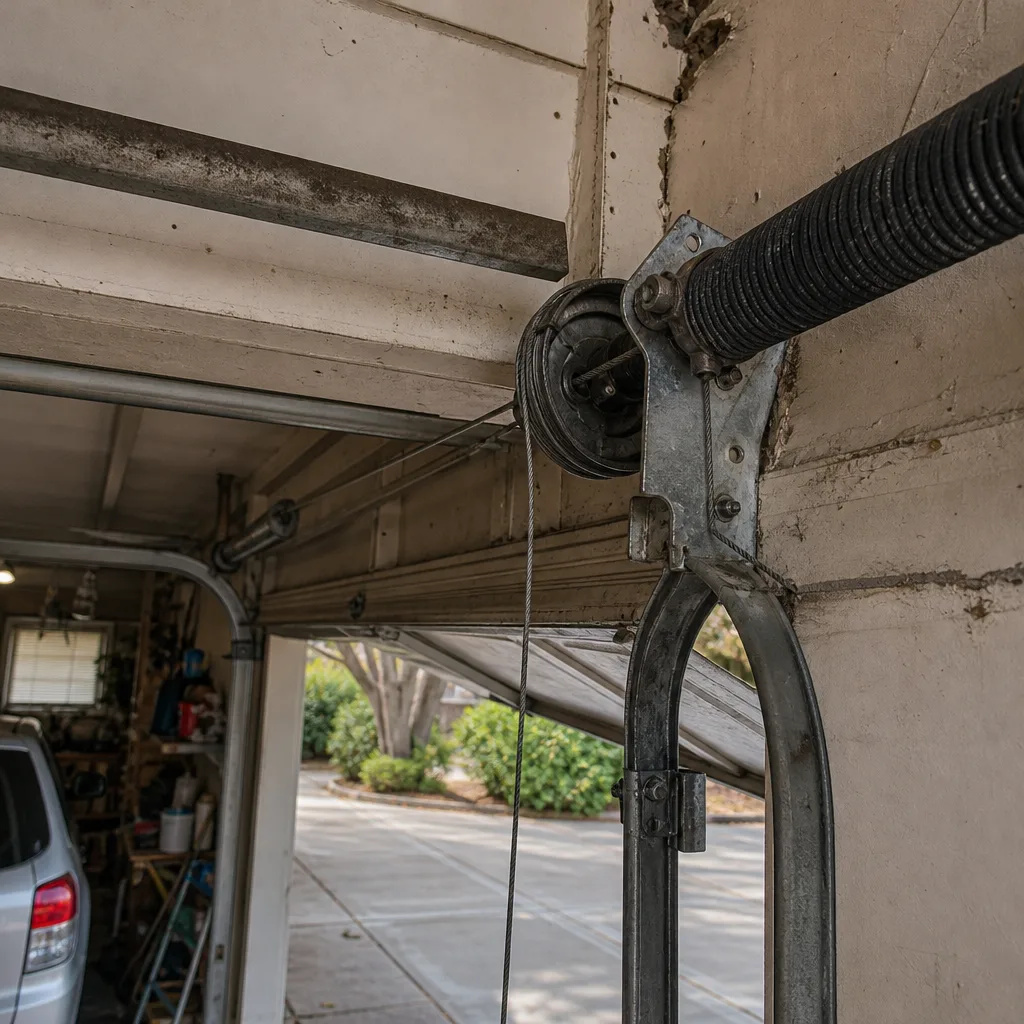 Before
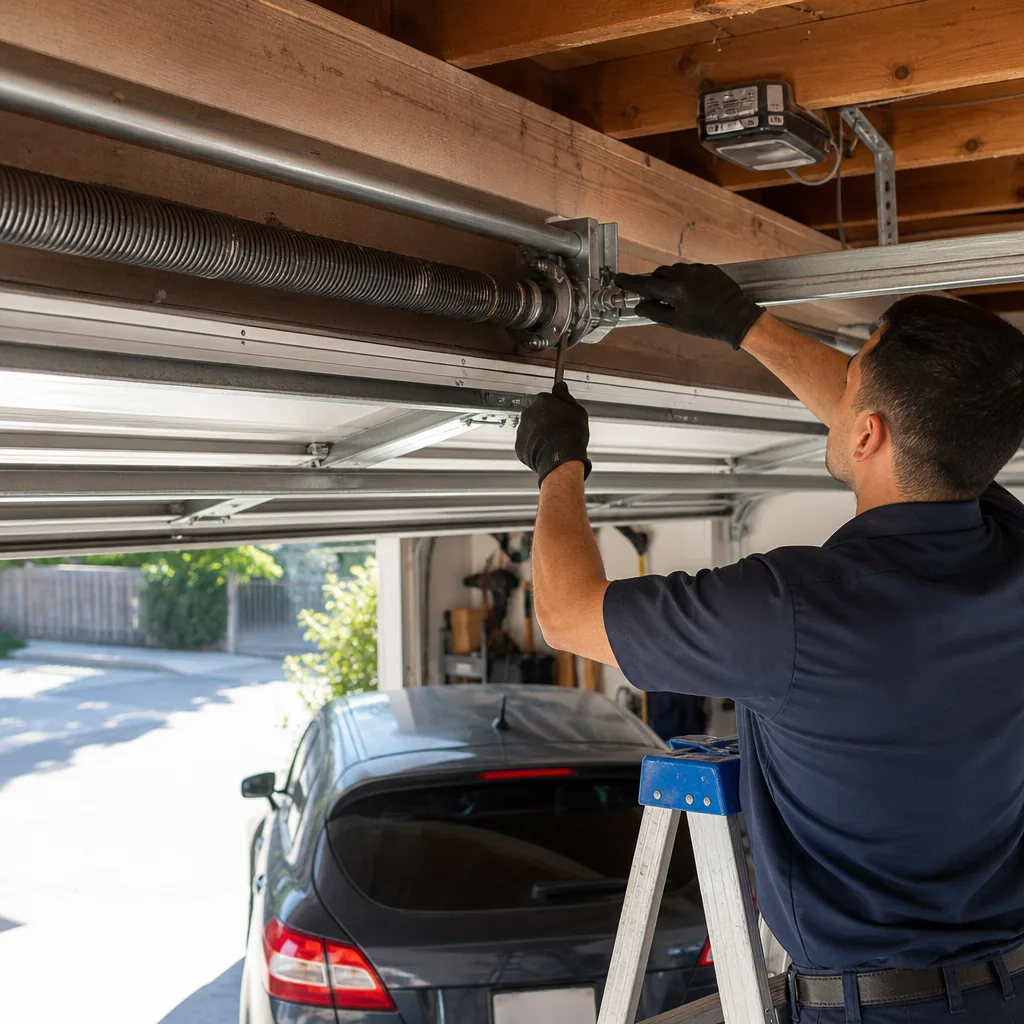 After
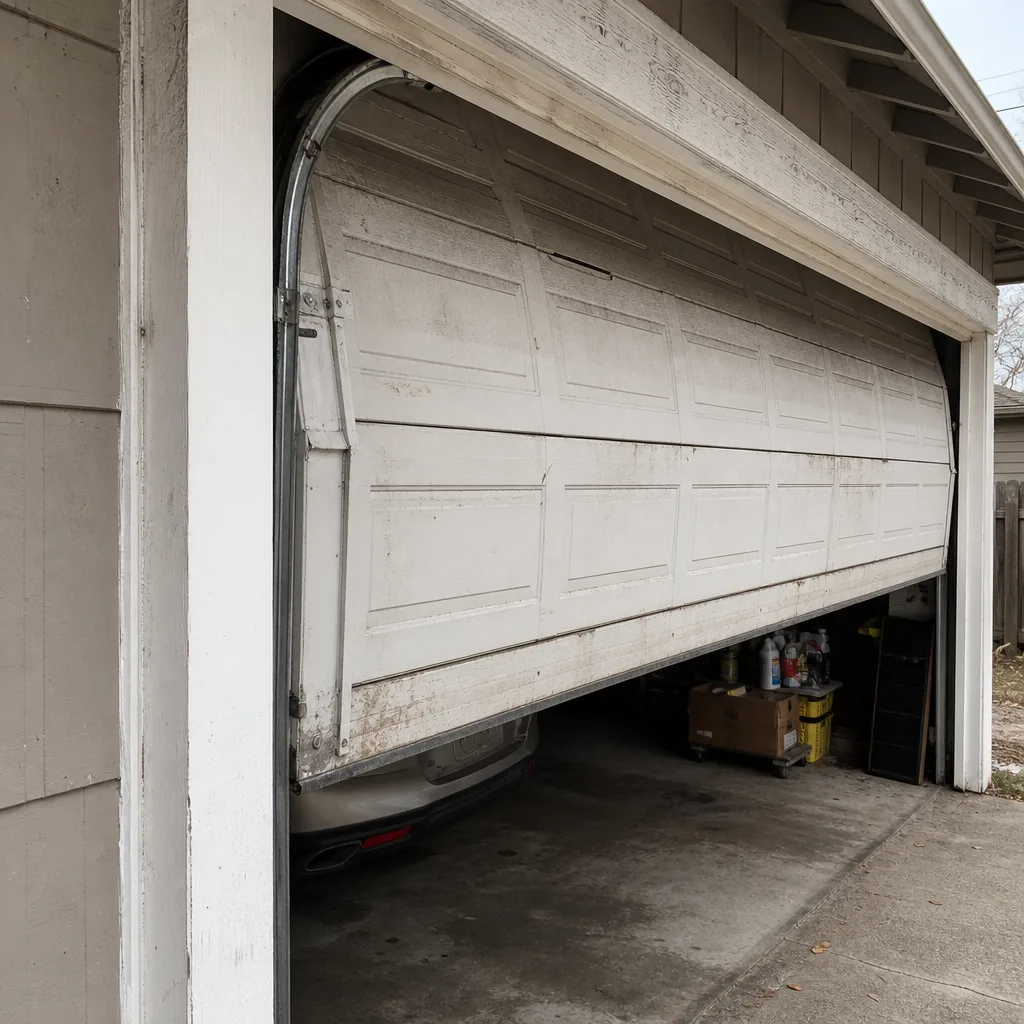 Before
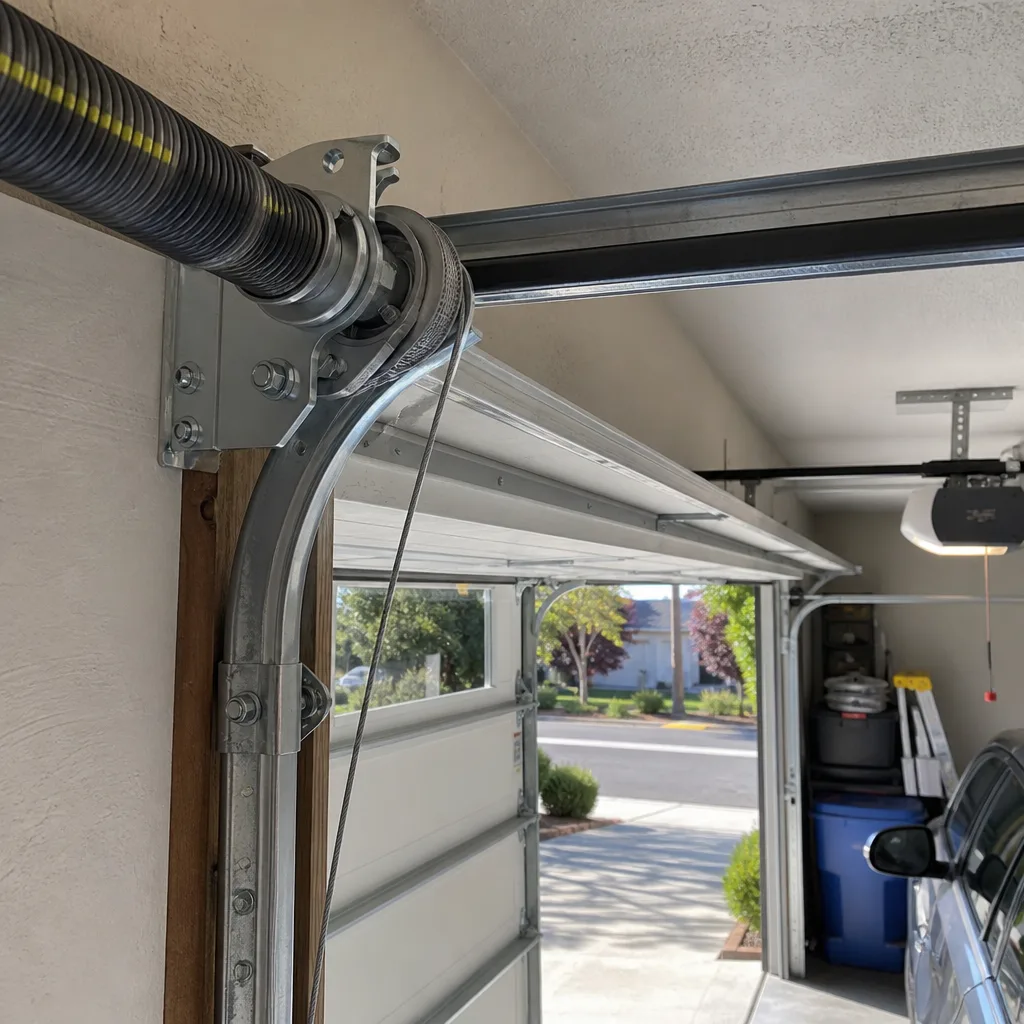 After
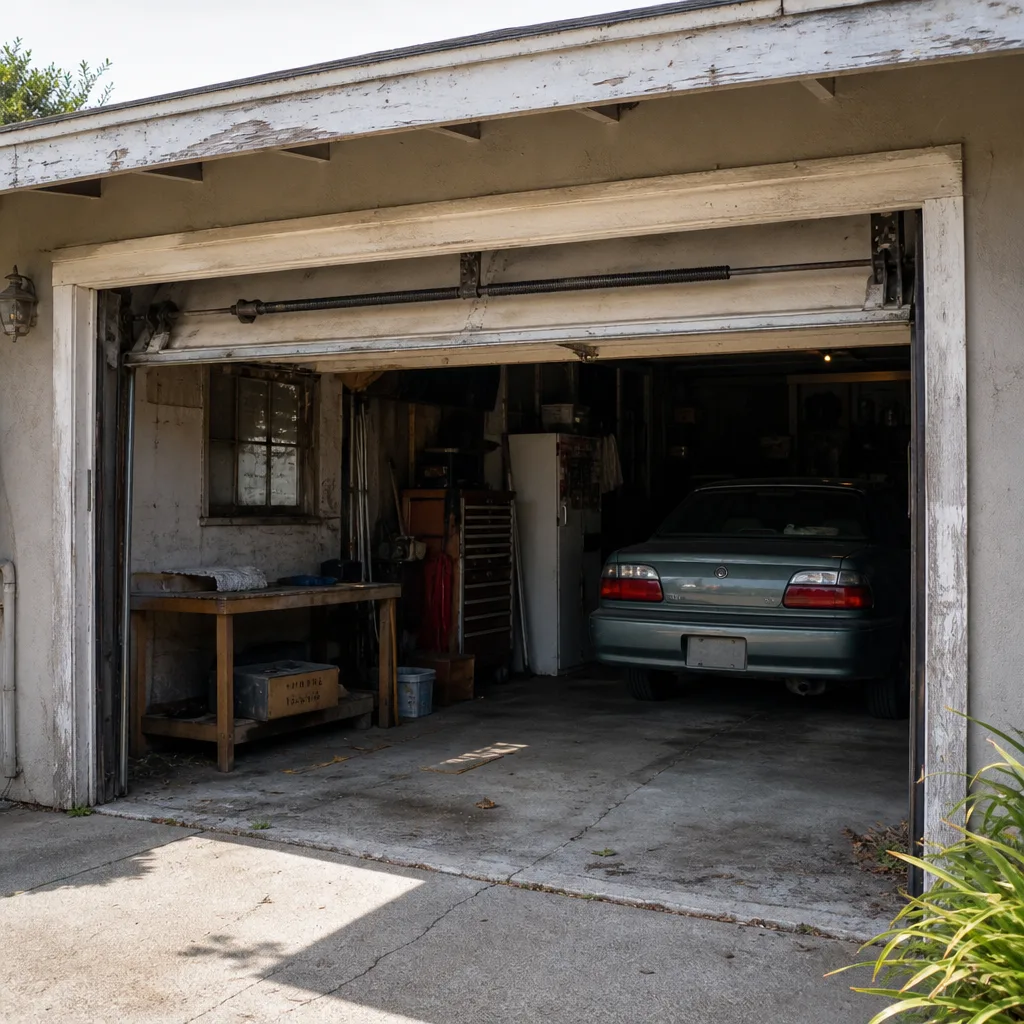 Before
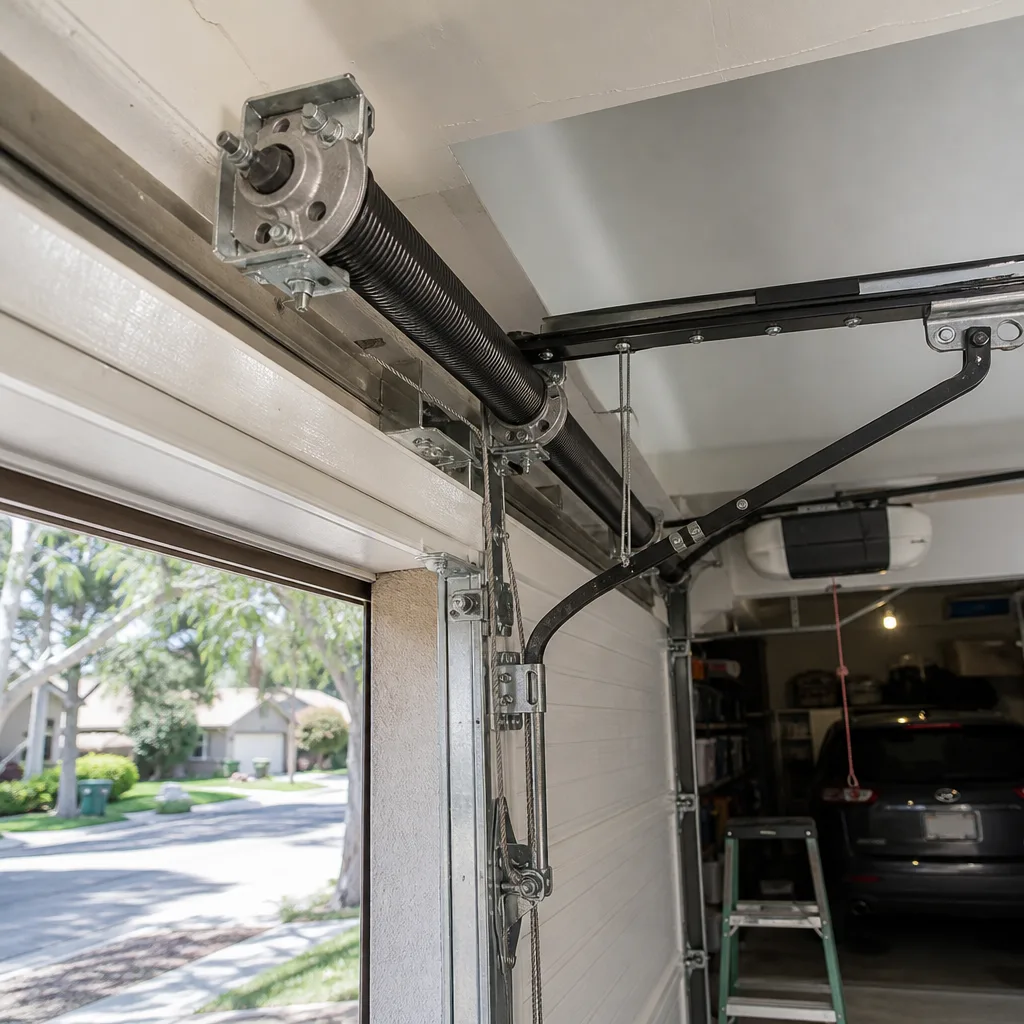 After