
Last updated November 2, 2026
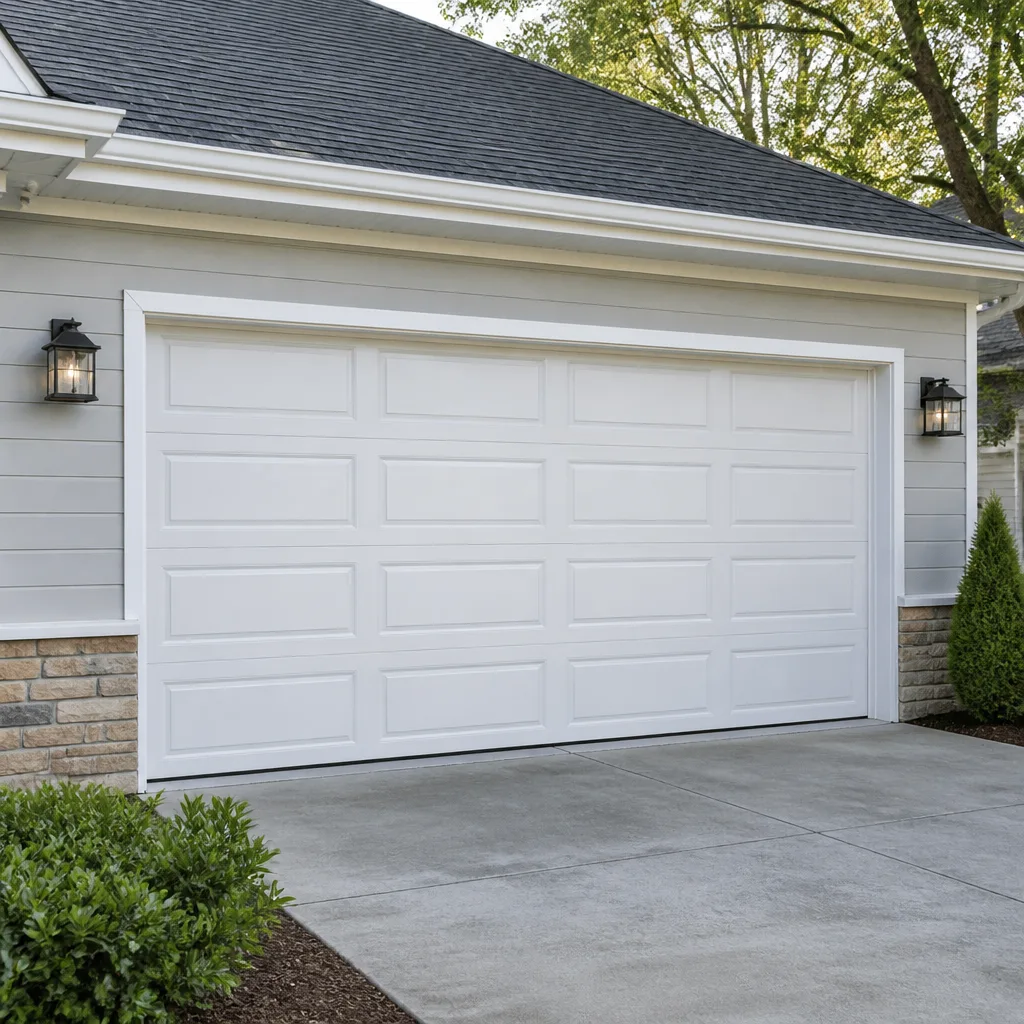 Raised-panel steel
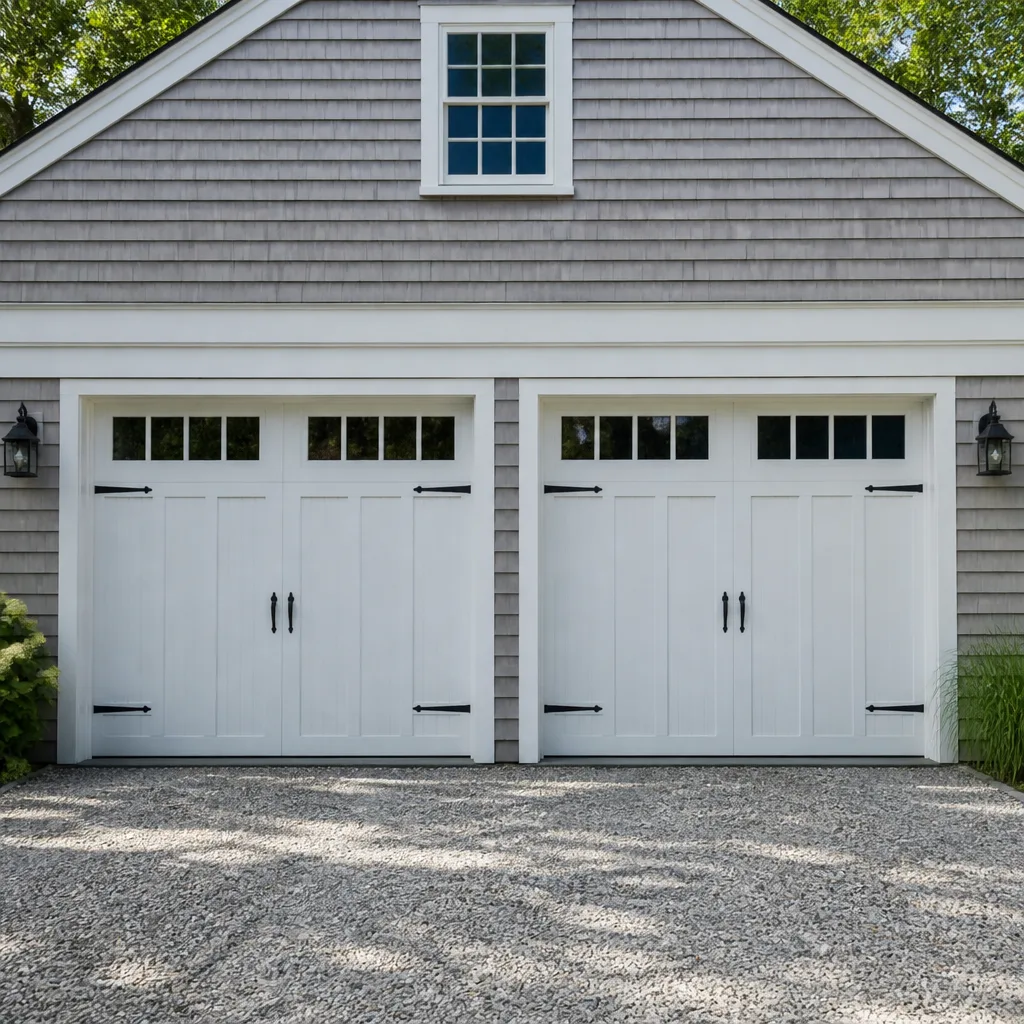 Carriage house
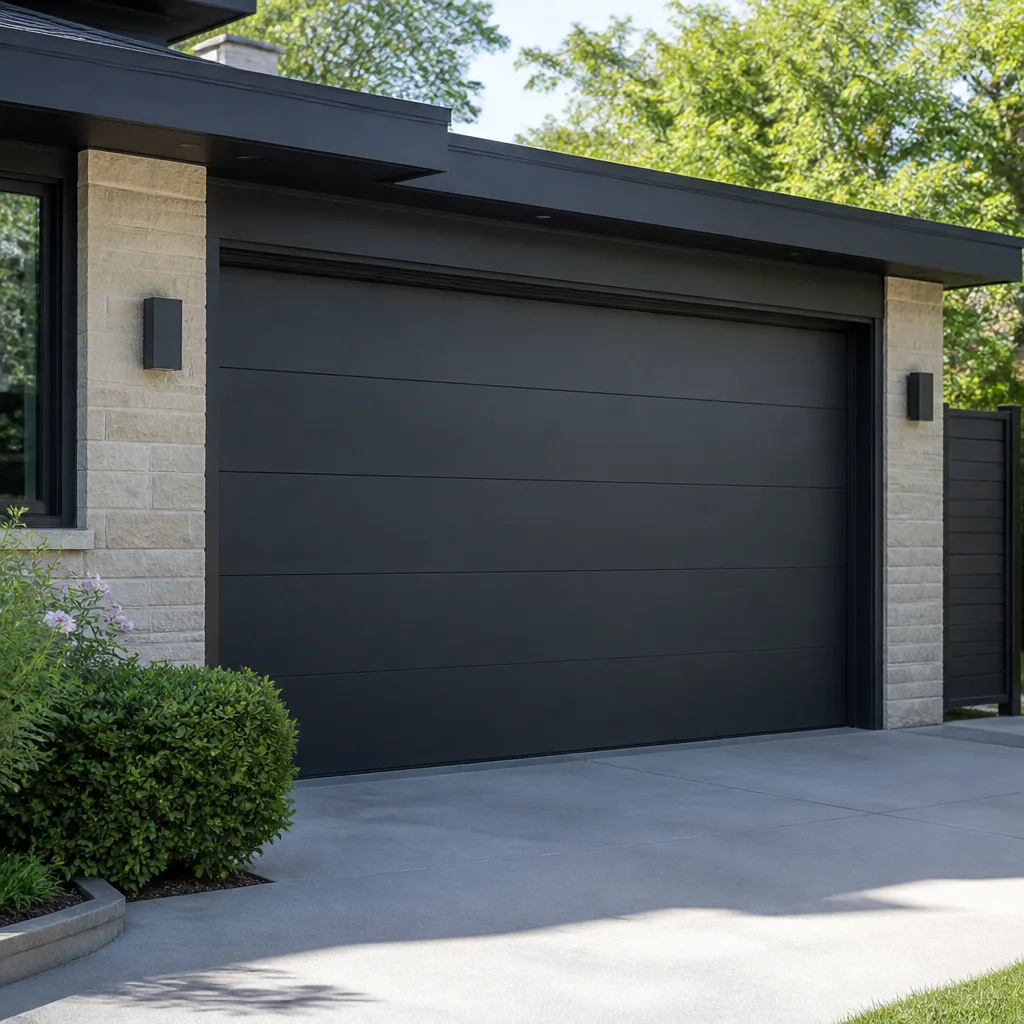 Modern flush
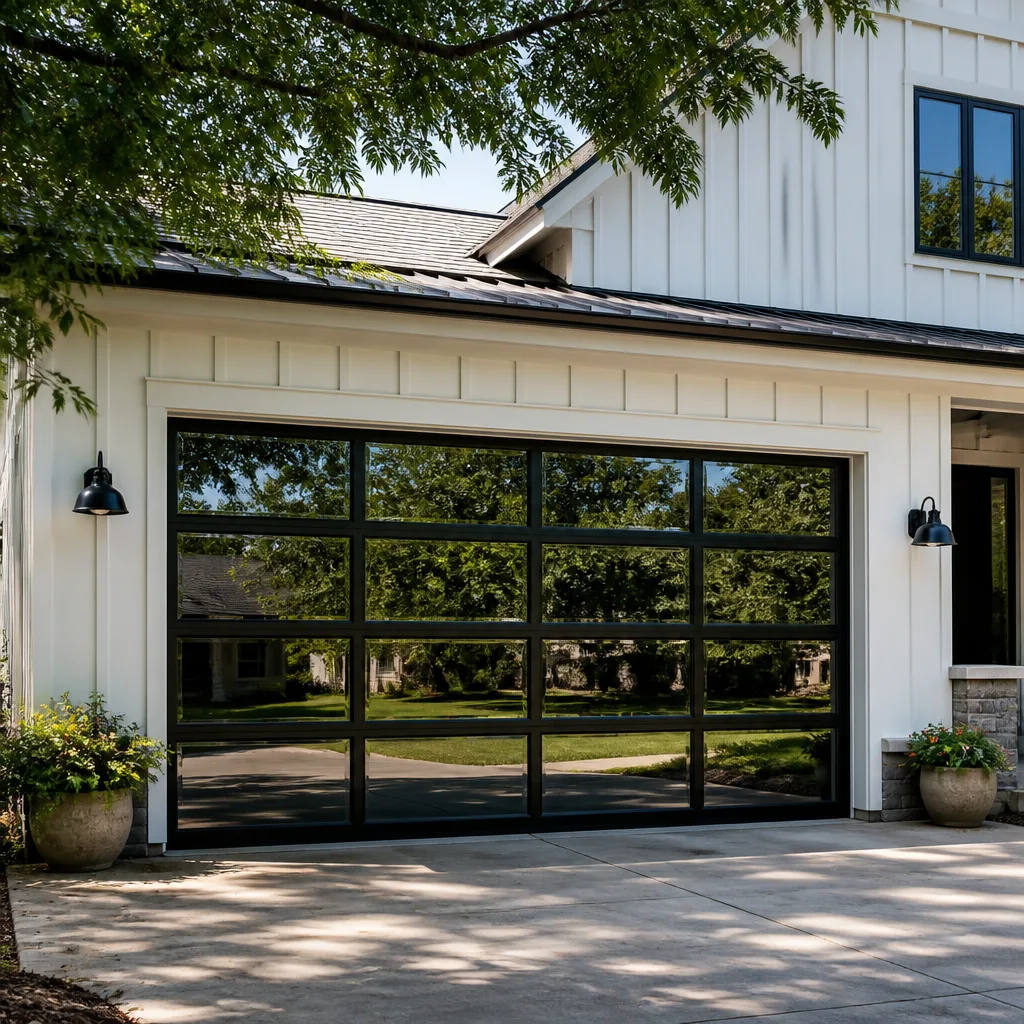 Full-view glass
 LiftMaster openers
 Chamberlain openers
Full 25-point door and opener safety check with every visit - springs, cables, rollers, tracks, and your LiftMaster or Chamberlain opener included
You get a price before we start. It does not change when the truck arrives.
Get your free estimateGarage Door Repair Maintenance Checklist for Willow Glen Homeowners
The number-one reason garage door springs fail prematurely isn’t age. It’s that they were never lubricated after installation, a step most homeowners don’t know exists. A garage door is the largest moving object in your Willow Glen home, and it cycles roughly 1,500 times a year. Each of those cycles puts tension on springs, friction on rollers, and stress on cables. This guide gives you pass/fail criteria for every component, so a $120 our Garage Door Repair services call never snowballs into a $600 emergency replacement. We’re going to walk through what to check, when to check it, and what a failing part actually looks and sounds like before it breaks.
Quick Answer
A garage door maintenance checklist for Willow Glen homeowners covers six areas: spring lubrication and wear inspection, roller and track condition, cable fraying checks, auto-reverse safety testing, opener force adjustment, and seasonal weatherproofing. Run through this checklist twice a year, in spring and fall, and address any item that fails immediately. Most checks take under 20 minutes and require nothing more than a step ladder, a can of lithium grease, and a roll of paper towels.
Styles & brands we work with
- Raised-panel steel
- Carriage house
- Modern flush
- Full-view glass
- LiftMaster openers
- Chamberlain openers
Table of Contents
- Torsion Springs: The 60-Second Pass/Fail Test
- What to Lubricate, What to Leave Alone, and How Often
- Rollers and Tracks: Noise Diagnosis by Sound
- Cable Fraying: The Warning Signs Most Homeowners Miss
- Auto-Reverse Safety Testing: Two Methods, Two Different Checks
- Opener Force and Travel: Diagnosing a Door That Reverses Mid-Cycle
- Willow Glen Seasonal Triggers: What to Check After Summer Heat and Cold Snaps
- Common Mistakes to Avoid
- When to Call a Professional
- Frequently Asked Questions
- The Bottom Line
Torsion Springs: The 60-Second Pass/Fail Test
Torsion springs sit on a metal shaft directly above your closed garage door. They’re under enough tension to lift several hundred pounds, which is why they’re the one component you should never attempt to replace yourself. But you can absolutely inspect them safely from the ground, and you should, because a worn spring gives off visible signals long before it snaps.
The pass/fail test is simple. Close the door completely and look at the spring from a few feet back. A healthy spring has consistent coil spacing from end to end. The coils should look like a tightly wound Slinky with even gaps. If you see a gap that’s noticeably wider than the others, the spring is starting to fatigue in that spot. If the spring looks like it has a visible “stretched” section, or if you notice what looks like a break in the coil pattern even though the door still operates, that spring is already failing and needs replacement before it snaps completely.
We’ve worked on enough Clopay and Amarr doors in Willow Glen to know that spring failures follow a pattern. First comes the stretched section. Then comes a slight imbalance, usually noticeable as a door that feels heavier than it used to or a door that drifts down a few inches when stopped halfway. Then comes the snap, which sounds like a gunshot in the garage. If you’re at the stretched-section or imbalance stage, you’re still in cheap territory. A spring replacement is a fraction of the cost of a snapped spring that takes out cables, bends the track, or dents a panel on the way down.
In our experience, Willow Glen homes with original builder-grade springs typically see their first spring replacement between years 7 and 12, depending on how often the door is used and whether the springs were ever lubricated. Homes where one car is parked in the driveway and the garage is used for storage put far fewer cycles on the door than homes where two cars come and go daily.
What to Lubricate, What to Leave Alone, and How Often
Lubrication is the single most neglected maintenance task on garage doors, and it’s also the task with the best effort-to-benefit ratio. Ten minutes with the right product extends spring life by years and quiets a noisy door noticeably. The catch is that you need the right product. WD-40 is not a garage door lubricant. It’s a solvent and water displacer that will strip away whatever lubrication is already there and leave metal parts drier than they started. Use a white lithium grease spray or a dedicated garage door lubricant.
Here’s exactly what to lubricate and how often:
- Torsion springs: Spray lithium grease along the full length of each spring, using a thin, even coat. Do this every 3 to 4 months. The goal is to coat the coils so they slide against each other instead of grinding. Unlubricated coils rub together under tension, generating friction heat that weakens the metal over time. This is the maintenance step that prevents most premature spring failures.
- Rollers (metal only): Apply one drop of oil to the bearing on each roller, or spray lithium grease on the roller stem. Do not attempt to lubricate nylon rollers by spraying the wheel itself; the nylon doesn’t need it. Metal rollers should be lubricated every 6 months.
- Hinges: Spray the pivot points on each hinge, the metal plates that connect door sections. Hinges take lateral stress every time the door rounds the track curve. Lubricate every 6 months.
- Opener chain or screw drive: If your opener uses a chain, apply a light coat of chain lubricant every 6 months. If it’s a screw drive, use the grease recommended by the opener manufacturer, usually a lithium-based grease. Belt drives need nothing.
- What to leave alone: Do not lubricate the track itself. The rollers run inside the track, and the track surface needs to stay clean and dry. Lubricating the track attracts dirt and grit that grinds against the rollers and wears them faster. If the track looks dirty, wipe it out with a dry rag.
One Willow Glen-specific note: our dry summer months mean less ambient moisture, but they also mean more dust. Dust and grease combine into an abrasive paste, which is why a thin, even lubrication coat applied regularly beats a heavy coat applied occasionally. Wipe away old grease before applying new.
Rollers and Tracks: Noise Diagnosis by Sound
Your garage door talks to you every time it opens and closes. Most homeowners in Willow Glen tune it out until the sound becomes impossible to ignore, which is usually when a problem has already progressed past the cheap-fix stage. Learning what the sounds mean is one of the most practical diagnostic skills you can develop.
A healthy garage door makes a low, smooth rumble. Anything beyond that is a symptom:
- Squeaking or chirping usually means dry metal rollers or hinges. Lubrication fixes this in most cases. If the squeak persists after lubrication, the roller bearing is probably worn and the roller needs replacement.
- A grinding or crunching sound typically means the roller itself is worn, cracked, or has a flat spot. Nylon rollers with worn bearings will grind. Metal rollers will crunch as they deform. Replacement is the fix, and roller replacement is a cheap repair compared to what happens when a seized roller scores the track.
- A rattle or vibration often means loose hardware. Check the bolts that hold the track brackets to the wall and the hinges that connect door sections. Door panels vibrate against the frame when fasteners loosen. A socket wrench fixes this in ten minutes.
- A popping sound is specific: it’s a torsion spring binding on itself or a section of the door bending under uneven force. Pop sounds from the spring area should trigger an immediate inspection of the spring coils. A spring that’s binding is a spring that’s about to fail.
We service Wayne Dalton and Craftsman doors throughout Willow Glen, and we see the same pattern regardless of brand: doors that get lubricated every few months run quietly for years. Doors that don’t get lubricated start making noise around year 4 or 5, and by year 8 they need rollers and hinges replaced. The difference between a 15-year door and a 25-year door is usually maintenance, not manufacturing quality.
Cable Fraying: The Warning Signs Most Homeowners Miss
Garage door cables are the lift cables that run from the bottom brackets on either side of the door up to the drums on the torsion spring shaft. They carry the full weight of the door during opening and closing, and they fail gradually, not suddenly. The problem is that the gradual part happens at the bottom bracket, which is the last place anyone looks.
Here’s what to check. With the door closed, kneel down and look at the bottom corners of the door, where the cable attaches to the bracket. This is the failure point on most doors because the cable rubs against the bracket on every cycle. Look for:
- Frayed strands: Individual wire strands peeling away from the main cable, like a rope starting to unravel. If you see any, the cable is compromised and should be replaced before it snaps under load.
- Flattened or crimped sections: Anywhere the cable looks flattened instead of round means the cable has been pinched, usually when the door came off track previously or when the cable jumped the drum. A flattened cable is a weakened cable.
- Rust or corrosion: Willow Glen’s generally dry climate helps here, but garages that aren’t climate-controlled still see moisture cycles, especially in winter months after rain. Rust on a cable is surface-level until it isn’t; deep rust means the wire strands are thinning inside the cable.
- Kinks: A cable that has been kinked, usually from a previous spring failure or track incident, will not spool evenly onto the drum. A kinked cable will eventually jump the drum and cause the door to drop unevenly.
Cable replacement is a job for a professional. The cables are under the same torsion load as the springs, and attempting to replace one without properly de-tensioning the system is extremely dangerous. What you can do is catch the fraying early enough that the cable gets replaced on your schedule, not in an emergency when the door is stuck open at 7 a.m.
We also recommend checking cable tension. With the door half open, the cables should be taut on both sides. A slack cable on one side indicates a problem with the drum or the spring, and a slack cable can jump the drum when the door moves. That’s the kind of problem that turns a $150 repair into a $500 one.
Auto-Reverse Safety Testing: Two Methods, Two Different Checks
Every garage door opener sold in the United States since 1993 has been required to include an auto-reverse mechanism that stops and reverses the door if it encounters an obstruction. There are two separate safety systems in play, and they do different things. Testing both takes about five minutes and should be done monthly. If either test fails, the door is unsafe to operate until the opener is adjusted or replaced.
Method 1: The 2×4 Test (Physical Resistance)
- Place a 2×4 board flat on the ground directly under the center of the door path.
- Close the door using the wall button or remote.
- Watch what happens when the door contacts the board. The door should reverse within two seconds of contact and return to the fully open position.
- If the door stops without reversing, or if it crushes the board and keeps pushing, the opener’s force setting is too high and the auto-reverse system is failing. Do not use the door until this is corrected.
Method 2: The Force-Resistance Test (Obstruction Sensor)
- With the door fully open, place a roll of paper towels or a similar soft object in the path of the door, about a foot inside the opening.
- Close the door.
- Watch how the door responds. It should reverse before it makes firm contact with the object, or make only light contact before reversing.
- This test checks the sensitivity of the opener’s internal force sensor. If the door pushes into the object hard before reversing, the force setting is too high.
The 2×4 test checks whether the auto-reverse is triggering under significant resistance. The force-resistance test checks whether the opener is detecting lighter resistance early enough. A door that passes the 2×4 test but fails the force-resistance test is a safety hazard, especially in a home with children or pets. The force adjustment is a dial or button on most openers, but we recommend having a professional handle it because setting force too low is also a problem, causing the door to reverse without touching anything.
The photo-eye sensors at the bottom of the door tracks are a third safety system worth checking monthly. Clean the lenses with a soft cloth and make sure the sensors are aligned. A blinking indicator light on either sensor usually means misalignment. These sensors prevent the door from closing on people, pets, or objects in the beam path.
Opener Force and Travel: Diagnosing a Door That Reverses Mid-Cycle
A garage door that starts closing, then reverses without touching anything, is one of the most common complaints we hear from Willow Glen homeowners. It’s also one of the easiest to misdiagnose, because the cause could be the opener, the door itself, or the interaction between the two.
The travel limit and force settings on your opener are the first things to check. Travel limit controls how far the door moves before the opener considers the cycle complete. If the travel limit is set too far, the opener will close the door, feel resistance when the door hits the ground, and reverse. The fix is adjusting the travel limit so the opener stops the door at the correct position.
Force setting controls how much resistance the opener will accept before it reverses. If the force setting is too low, the opener will misinterpret normal door weight as an obstruction and reverse mid-cycle. If the force setting is too high, the door won’t reverse when it should, and you get a safety issue. The correct force setting is the lowest setting that reliably closes the door without reversing.
But here’s the thing: sometimes the problem isn’t the opener at all. A door that’s become harder to move because of dry rollers, a worn bearing, or a tired spring will make the opener work harder, tripping the force sensor even when the settings are correct. That’s why we start by inspecting the door itself before touching opener settings. Adjusting opener force to compensate for a door that’s becoming harder to move is treating the symptom, not the cause.
This is where brand familiarity matters. LiftMaster, Chamberlain, and Genie openers have different adjustment procedures and different failure modes. A Genie screw drive that’s reversing mid-cycle often has a different cause than a Chamberlain belt drive doing the same thing. We’ve seen app-connected openers misdiagnosed as “broken” by generalist repair shops when the actual issue was a software setting or a sensor alignment problem. If you’re not sure what brand of opener you have, check the label on the motor housing. It matters more than most people think.
Willow Glen Seasonal Triggers: What to Check After Summer Heat and Cold Snaps
Willow Glen’s climate is mild by most standards, but it’s not neutral. Our summers bring extended heat, and our winters, while brief, do bring occasional cold snaps that drop temperatures low enough to affect metal components. Both extremes warrant a specific set of checks.
After summer heat:
- Check spring tension: Extended heat cycles cause slight metal expansion. After a hot summer, check the spring coils for spacing consistency. Heat accelerates the fatigue process in springs that were already marginal.
- Inspect seal degradation: The rubber weather seal on the bottom of the door takes direct sun on south-facing garages. UV exposure hardens and cracks the seal. A cracked seal lets in dust, pests, and hot air. This is a cheap replacement.
- Check opener overheating: Openers in uninsulated garages run hot during summer. If the opener shuts off mid-cycle on a hot day and works fine once cooled down, the motor is thermally overloaded. This can be a ventilation issue or a sign of a door that’s becoming too heavy for the opener.
After cold snaps:
- Lubricate more frequently in cold weather: Cold thickens grease and slows automatic lubrication. If the door is noisier in winter, it’s not the cold itself; it’s that the grease is less effective. Apply lubricant more frequently in winter months.
- Check for condensation: Cold snaps followed by warm days create condensation in uninsulated garages. Moisture on metal components accelerates rust, particularly on cables and hinges. Wipe down visible moisture after condensation events.
- Test the door balance during cold spells: Cold weather can make weak springs fail completely because metal contracts and becomes more brittle. If your door feels heavier than normal on a cold morning, that’s a spring in its final stage of fatigue.
Willow Glen doesn’t get the extreme weather that other parts of the country deal with, but that doesn’t mean seasonal maintenance is optional. It means the failure modes are slower and quieter, which actually makes regular checks more important, not less – see Garage Door Warning Signs: A Willow Glen Homeowner’s Reference Guide for what to watch for.
Key Takeaways
- Lubricate torsion springs every 3 to 4 months with white lithium grease; this is the single highest-impact maintenance task.
- Inspect spring coils for uneven spacing monthly; a stretched section means the spring is already failing.
- Test auto-reverse safety systems monthly using both the 2×4 method and the force-resistance method.
- Check lift cables at the bottom brackets for fraying every time you lubricate; this is the failure point most homeowners never look at.
- Learn the sounds: squeaks mean lubrication, grinding means replacement, popping means spring inspection.
- If the door reverses mid-cycle, don’t assume opener failure; inspect door movement first, then opener settings.
- Never attempt DIY spring or cable replacement; these components are under lethal tension.
Common Mistakes to Avoid
- Using WD-40 as a garage door lubricant. WD-40 is a solvent, not a lubricant. It strips away existing grease and leaves metal parts unprotected. Use white lithium grease or a purpose-made garage door lubricant.
- Lubricating the tracks. Garage door tracks should stay clean and dry. Grease on the track attracts dirt and grit, which grinds into the rollers. Wipe tracks with a dry cloth, never apply lubricant.
- Ignoring a noisy door until it’s silent. A door that was noisy and then suddenly quiet hasn’t fixed itself. A sudden silence after a loud period often means a component has broken completely, not healed. Investigate the change.
- Adjusting opener force to compensate for a sluggish door. If the door is harder to move, the problem is in the door, not the opener. Cranking up opener force masks the underlying issue until the spring or cable fails completely.
- Skipping the auto-reverse test because “the door never hits anything.” The test isn’t about whether the door has hit something. It’s about whether the safety system still works if it needs to. A failed test means the system is already broken, even if no accident has occurred yet.
- Painting over cable fraying or spring gaps without addressing them. Visual inspection is preventative care only if you act on what you find. Documentation without repair is just a record of neglect.
- Assuming a brand-new door needs no maintenance. New doors need lubrication and inspection just like old ones. The first six months of ownership is when you establish the maintenance baseline that determines whether springs last 8 years or 15.
When to Call a Professional
Some maintenance tasks are DIY-appropriate. Lubrication, cleaning, inspection, and safety testing can all be done by a homeowner with basic tools and this checklist. Other tasks require a trained technician, and the line between the two is not subtle. Springs, cables, and anything that requires de-tensioning the torsion system are professional territory, full stop. These components are under enough force to cause serious injury or death if they release unexpectedly. If your inspection reveals a stretched spring, a frayed cable, or a door that slams down when released from the opener, do not attempt to fix it yourself.
If you’re in Willow Glen and you’ve found something on this checklist that needs attention, Garage Door Repair in Willow Glen from Granite is available. We also handle garage door opener repair for every major brand, and if the assessment shows replacement is the smarter investment, our garage door installation service covers that too. Granite Garage Door Repair offers free estimates in Willow Glen. Call (877) 265-9458 and we’ll put eyes on the problem, tell you exactly what’s wrong, and quote the fix before any work begins.
Frequently Asked Questions
Lubricate torsion springs every 3 to 4 months, and metal rollers, hinges, and opener chains every 6 months. Willow Glen’s dry summer climate means dust accumulates on grease, so wipe away old lubricant before applying fresh. This schedule prevents most premature spring and roller failures.
Spring replacement in Willow Glen typically ranges from $180 to $340 depending on spring size, door weight, and whether you choose standard or high-cycle springs. High-cycle springs cost more upfront but last significantly longer, which usually makes them the better value. Call (877) 265-9458 for an exact quote based on your door.
Most spring, cable, and roller repairs can be completed the same day if you call in the morning, and Granite Garage Door Repair carries common parts on the truck for Clopay, Amarr, Wayne Dalton, and Craftsman doors. Call (877) 265-9458 to check availability and get a free estimate.
A door that reverses before hitting the ground is usually a force setting that’s too low, a travel limit that’s set too far, or a door that’s become harder to move due to worn rollers or dry hinges. Test the door manually first; if it’s hard to lift, the problem is the door, not the opener.
No. Granite Garage Door Repair quotes the full price before any work begins, and that’s the price you pay. If additional problems are discovered during the repair, the technician will show you what was found and get your approval before doing anything beyond the original quote.
Look for visible gaps in the coil spacing, a door that feels heavier than it used to, or a door that drifts shut when stopped halfway. Any of these means the spring is fatiguing and should be replaced soon. A spring that snaps completely often damages other components, so early replacement is cheaper.
The Bottom Line
Garage door maintenance is not complicated, but it is specific. The right lubricant, the right frequency, the right inspection points, and the right pass/fail criteria make the difference between a door that lasts 15 years and one that fails in 8. This checklist gives you everything you need to catch problems in the cheap-fix stage, before small issues become emergencies, and you can explore more guides & resources on our blog. Run through it twice a year, act on what you find, and don’t touch anything involving springs or cables without a professional. If something on your checklist fails, call us. We’ll tell you what’s wrong, what it costs to fix, and whether repair or replacement makes more sense. No pressure, no upsell. Just a straight answer from someone who works on these doors every day.
Contact Granite Garage Door Repair in Willow Glen at (877) 265-9458 for a free estimate on any garage door repair, opener repair, or installation. Learn more at the Granite Garage Door Repair home page.
Written by the team at Granite Garage Door Repair, serving Willow Glen since 2017.
See the difference
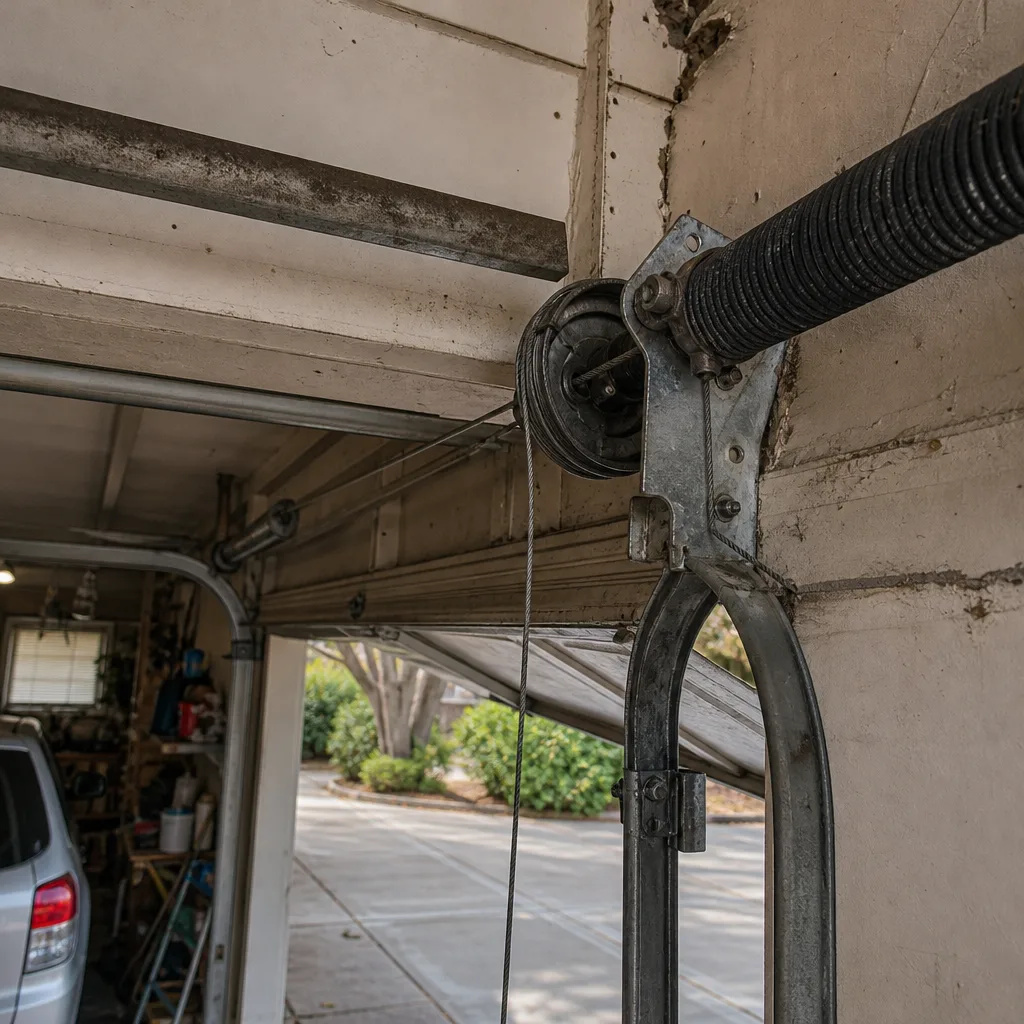 Before
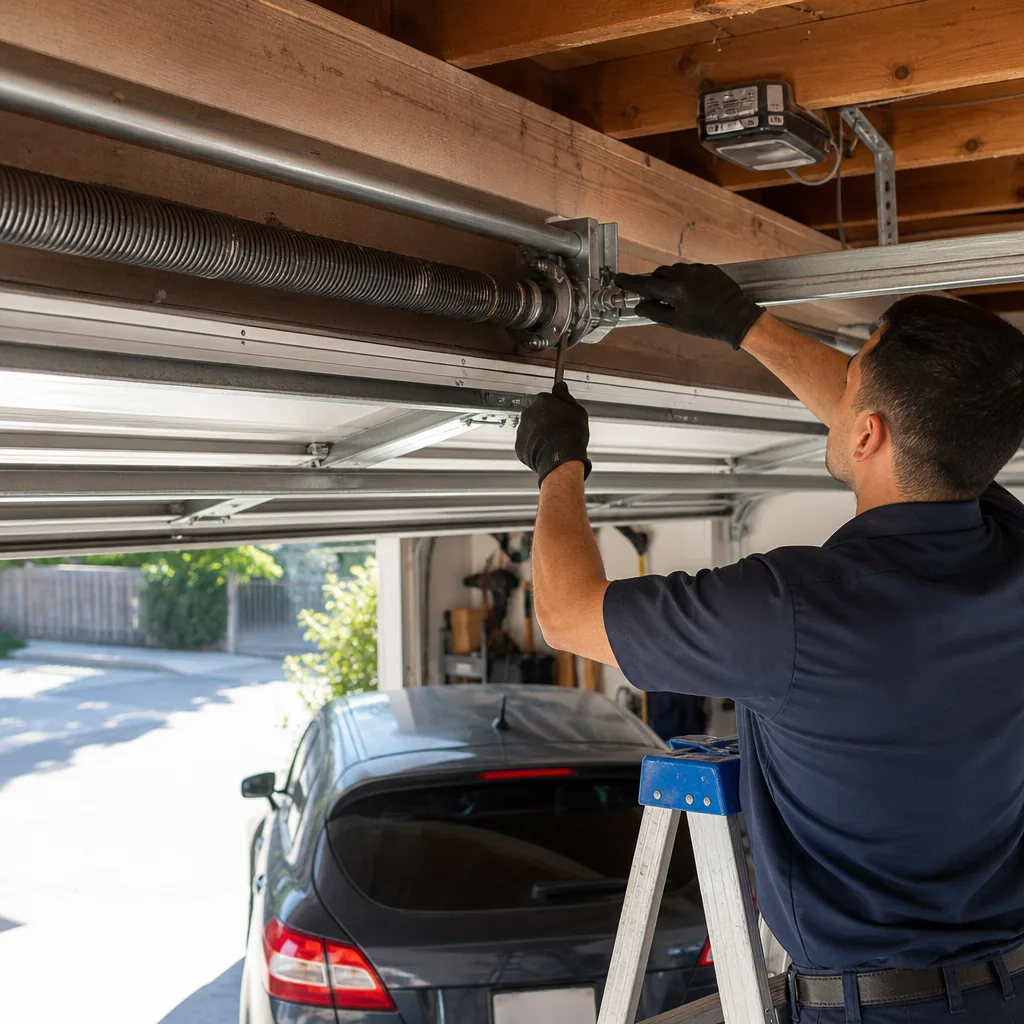 After
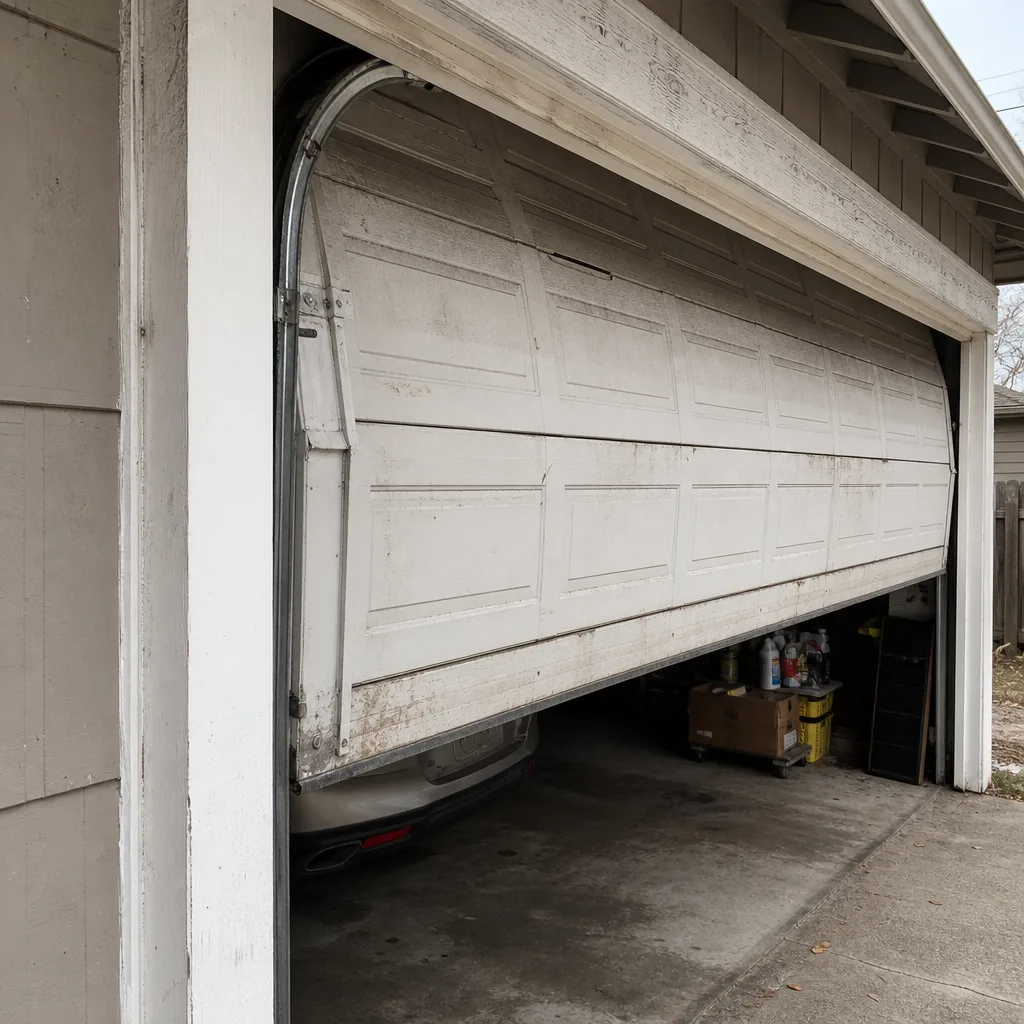 Before
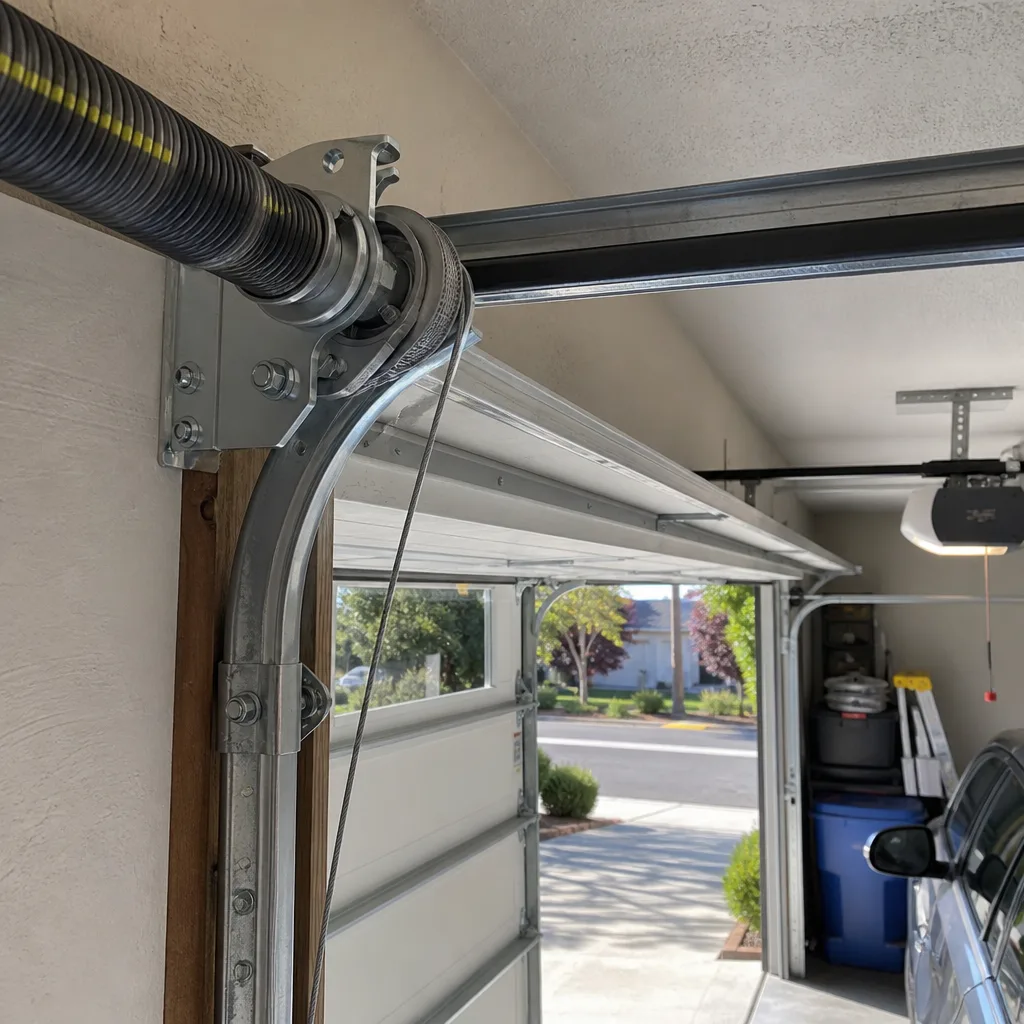 After
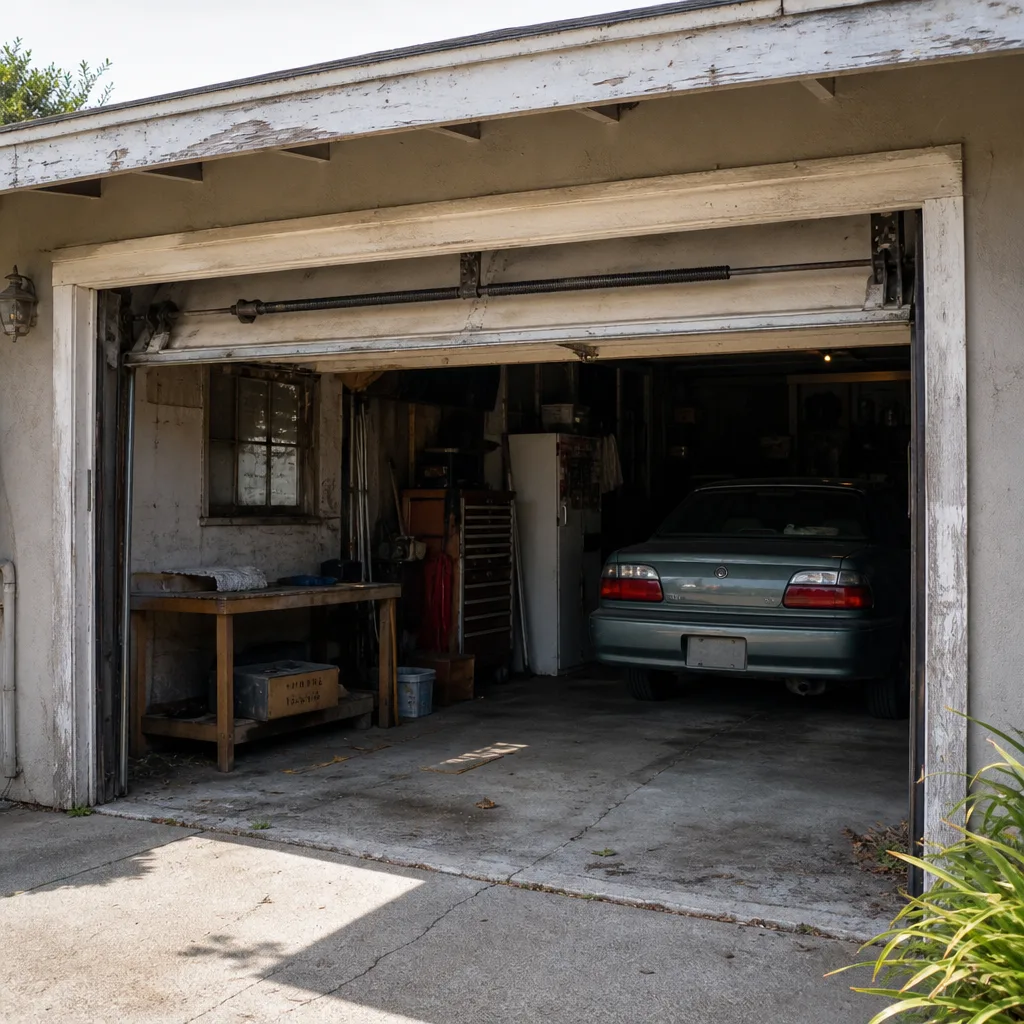 Before
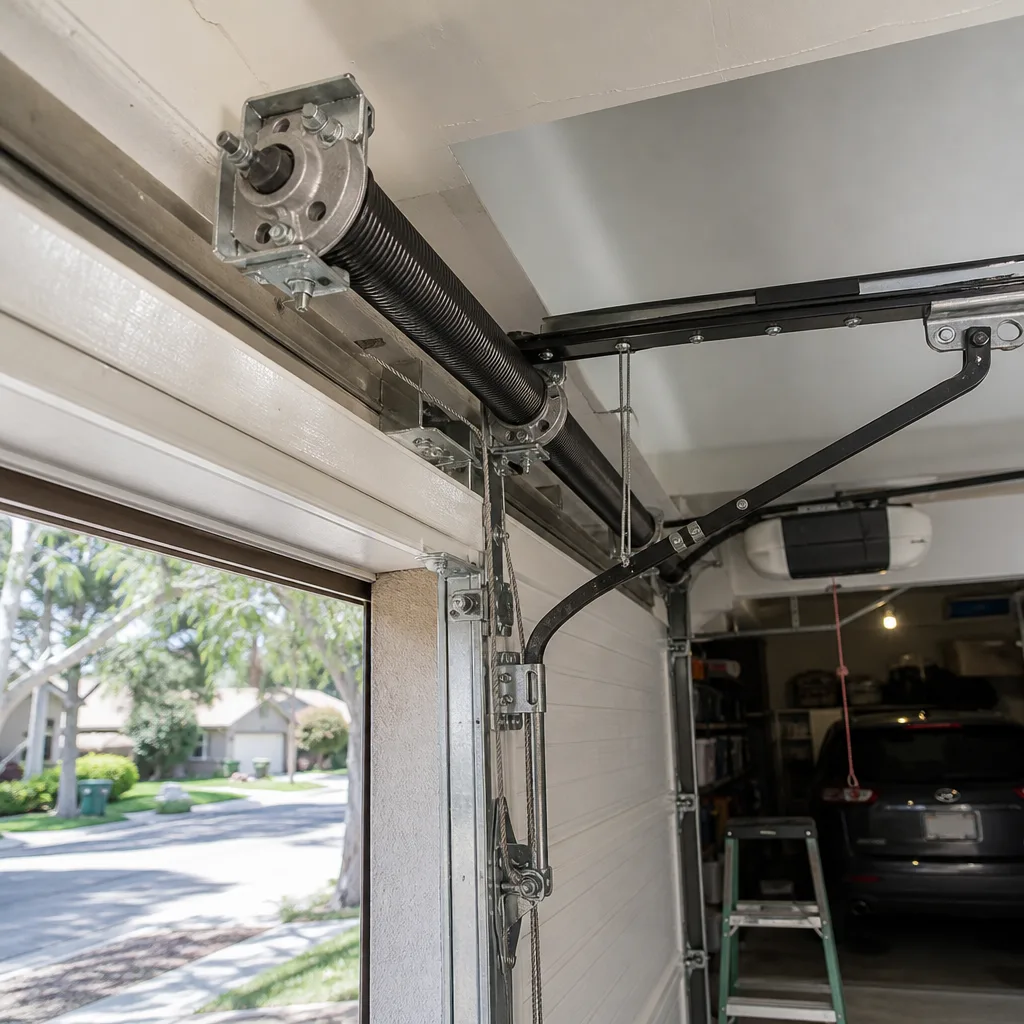 After