
Last updated November 2, 2026
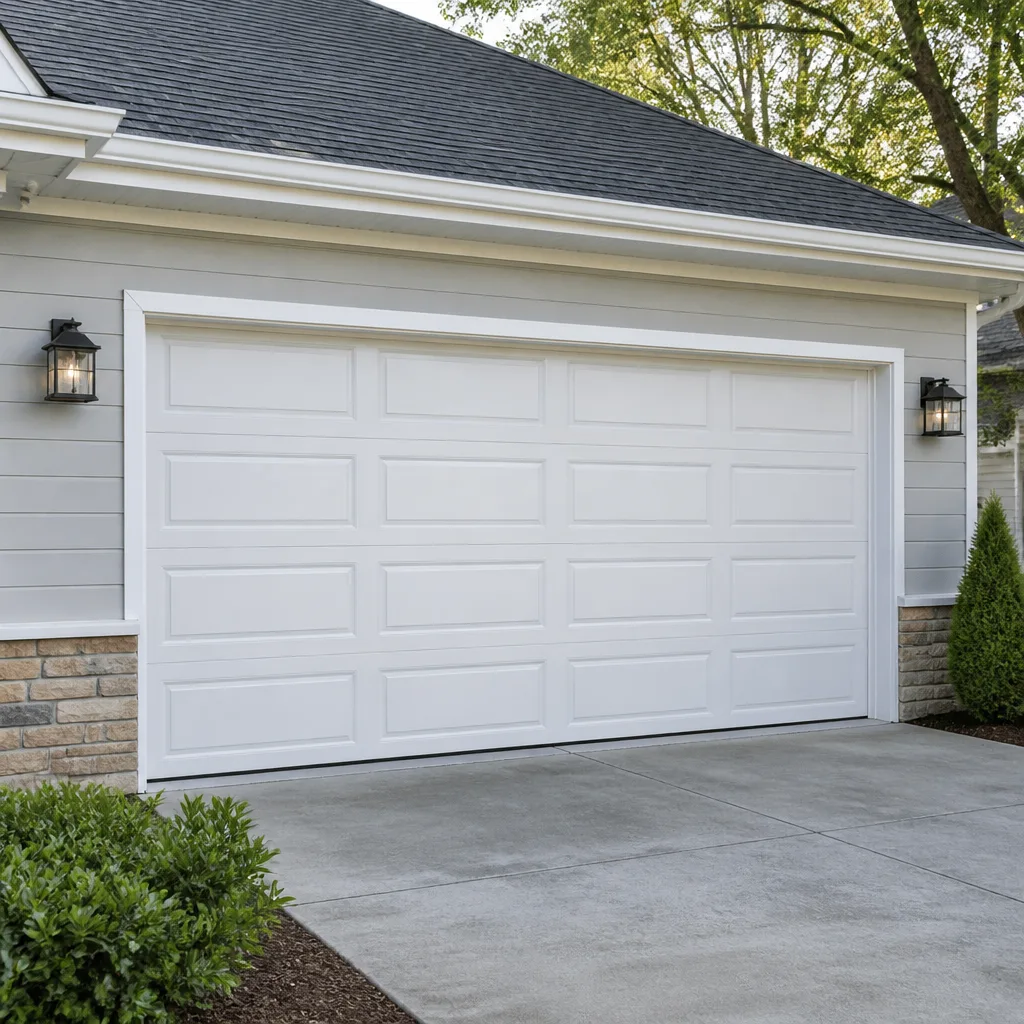 Raised-panel steel
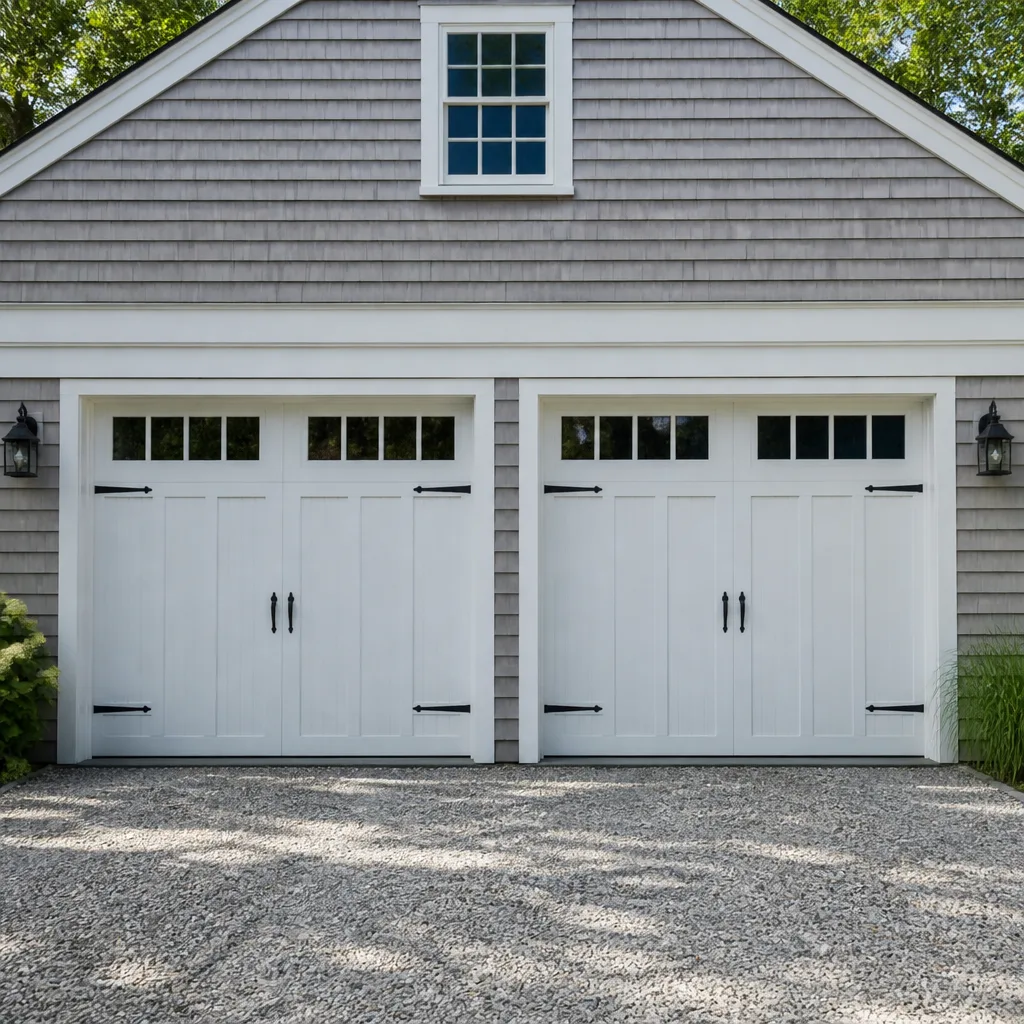 Carriage house
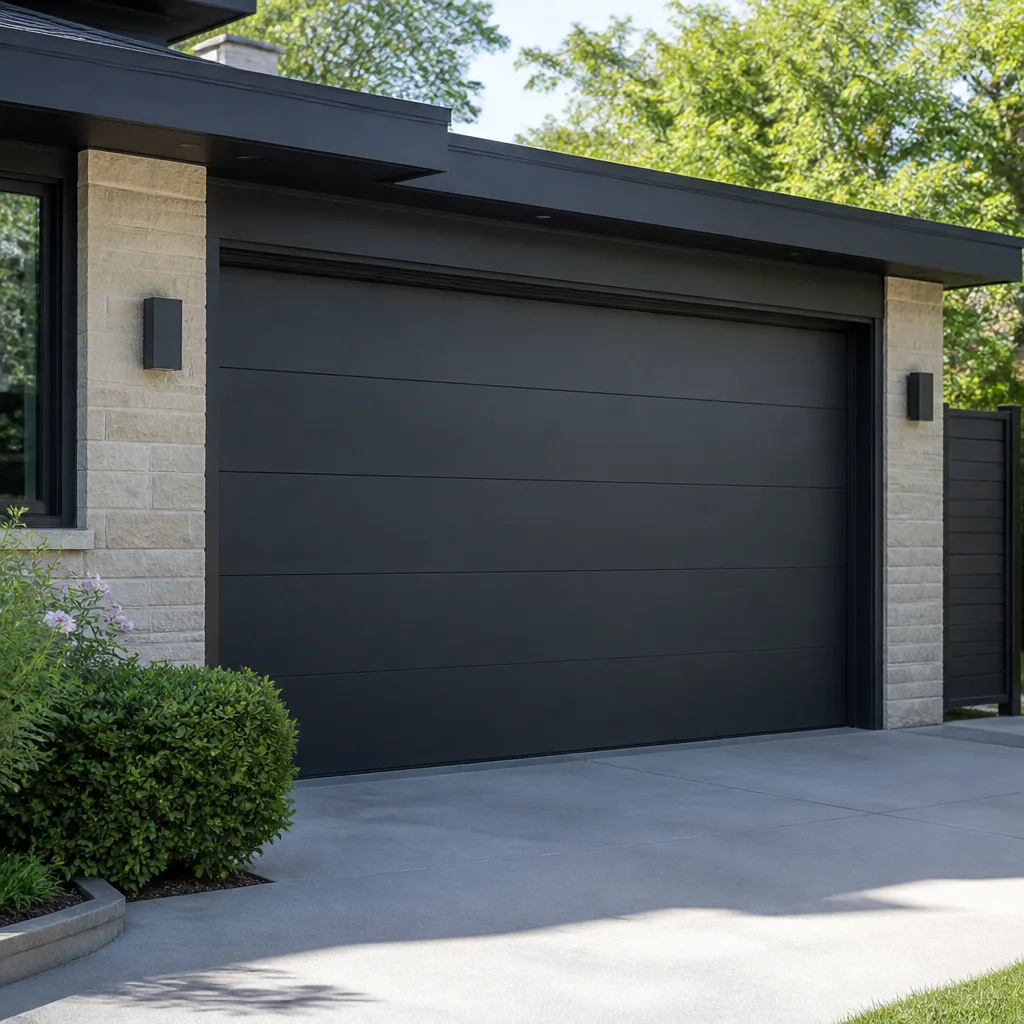 Modern flush
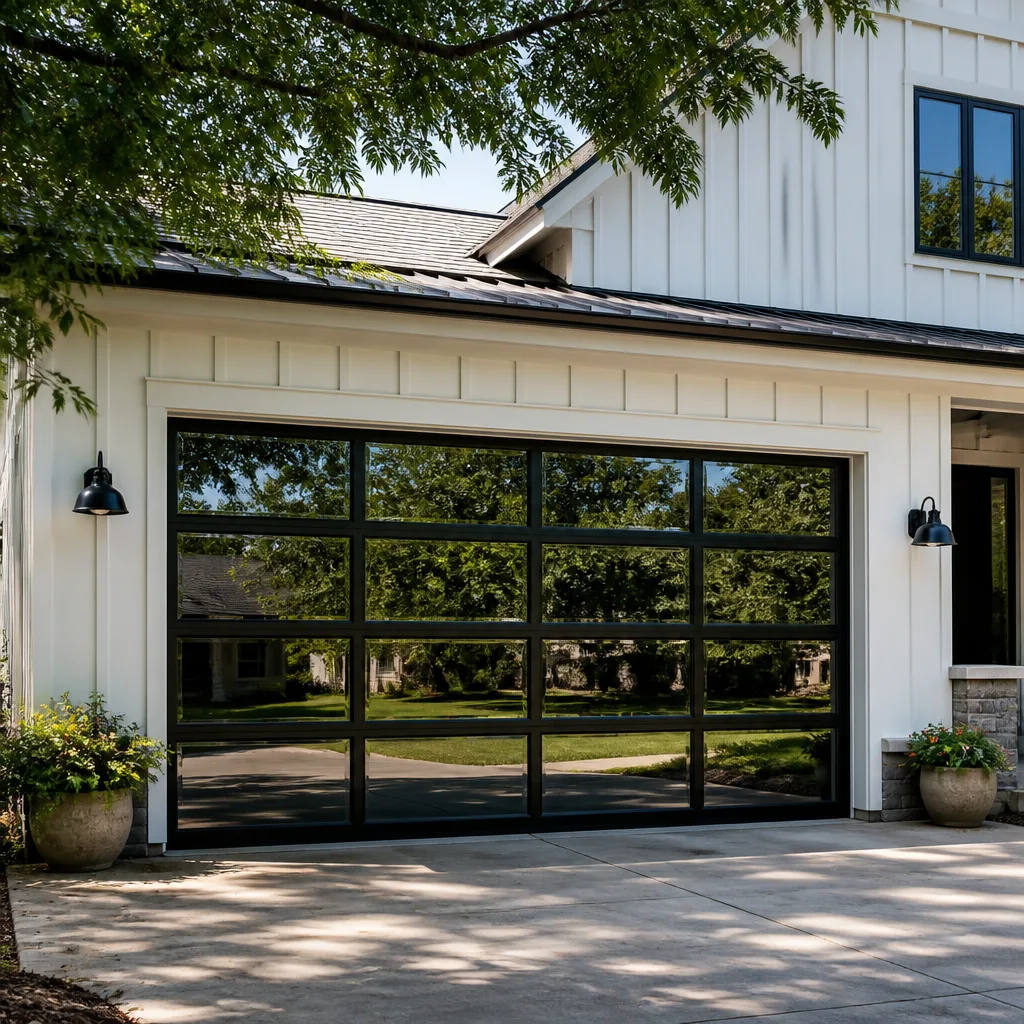 Full-view glass
 LiftMaster openers
 Chamberlain openers
Full 25-point door and opener safety check with every visit - springs, cables, rollers, tracks, and your LiftMaster or Chamberlain opener included
You get a price before we start. It does not change when the truck arrives.
Get your free estimateGarage Door Permits, Codes & Inspections in CA: What You Need to Know
Most California homeowners believe garage door permits are only for new home construction. That assumption is wrong, and it’s an expensive one. In Santa Clara County, we’ve watched unpermitted garage door replacements surface during escrow inspections, turning a skipped $300 permit into a $2,000 retroactive correction that nearly kills the sale. This guide walks through exactly what California requires for garage door permits, the codes that govern residential installations, how Willow Glen’s local amendments differ from the base code, and what inspectors actually check when they show up. For Garage Door Repair Troubleshooting: Common Problems and How to Fix Them, see our dedicated troubleshooting guide. You’ll leave knowing which projects trigger permits, which qualify as routine maintenance, and how to avoid the escrow trap entirely.
Quick Answer
In California, replacing an entire garage door or its structural frame requires a building permit under the California Residential Code, while replacing springs, cables, rollers, or the opener itself generally qualifies as exempt routine maintenance. Willow Glen and San Jose follow the base CRC but add local amendments that tighten anchoring, seismic strapping, and inspection triggers. If you’re installing a new door, budget for a permit, an inspection, and roughly one to three weeks of timeline depending on city workload. For ongoing care, see our Garage Door Repair Maintenance Checklist for Willow Glen Homeowners.
Styles & brands we work with
- Raised-panel steel
- Carriage house
- Modern flush
- Full-view glass
- LiftMaster openers
- Chamberlain openers
Table of Contents
- When a Permit Is Required vs. Routine Maintenance
- Santa Clara County and San Jose Amendments Beyond the CRC
- UL 325 Opener Safety Compliance: What Inspectors Flag
- Seismic Anchoring: Why California Doors Are Different
- The Inspection Process: Timeline and What Gets Checked
- What Permits Actually Cost in the South Bay
- The Escrow Problem: Unpermitted Work and Home Sales
- Common Mistakes to Avoid
- When to Call a Professional
- Frequently Asked Questions
When a Permit Is Required vs. Routine Maintenance
California draws a clear line between structural work and maintenance, but most homeowners have never seen the line explained in plain language. Under the California Residential Code (CRC), specifically Section R105.2, a building permit is required for work that alters the structure, changes the opening size, or replaces a rated assembly. A garage door replacement lands squarely in that category because the door, its track system, and its attachment points are considered part of the building envelope. Swap the entire door for a new one, even a like-for-like model, and you need a permit. In Willow Glen, where many homes date to the 1950s and 1960s, that permit also triggers a check on whether the existing opening meets current anchoring standards.
What does not require a permit: replacing torsion springs, extension springs, cables, rollers, hinges, weatherstripping, or the garage door opener. The CRC treats these as routine maintenance under the exemption for “repairs that do not affect the structure.” A spring replacement in a Willow Glen home, even a full torsion spring conversion, falls under maintenance because it does not change the door’s structural attachment or the opening dimensions. Learn to spot bigger issues early with Garage Door Warning Signs: A Willow Glen Homeowner’s Reference Guide. The same logic applies to swapping an opener: the motor, rail, and safety sensors are equipment, not structure.
The gray area that trips people up is a panel replacement. Replacing one or two dented panels on an Amarr or Wayne Dalton door is maintenance. Replacing all panels, effectively creating a new door on the existing track, is treated by most California building departments as a replacement, not a repair. If you’re unsure whether your situation crosses that line, the safe move is to call the building department in San Jose and describe the scope. A five-minute phone call beats a $500 correction fee.
Work That Requires a Permit in California
- Full garage door replacement: Removing the existing door and installing a new one, regardless of size match.
- Changing the rough opening: Widening, heightening, or structurally modifying the opening for a different door size.
- Converting a carport to a garage: Any enclosure work that includes a garage door requires full permitting.
- Installing a new door where none existed: New construction or adding a garage door to an existing wall.
- Structural track or header modification: Replacing or altering the header, jambs, or structural supports above the door.
Work That Qualifies as Routine Maintenance
- Spring replacement (torsion or extension)
- Cable replacement
- Roller and hinge replacement
- Opener replacement or repair
- Weatherstripping and seal replacement
- Single or partial panel replacement (non-structural)
- Track realignment without structural alteration
The practical takeaway for a Willow Glen homeowner: if the door comes off the track and goes back on unchanged, it’s maintenance. If the door itself is being replaced, you need a permit. That distinction matters for resale, insurance, and safety compliance, and it’s one we help homeowners navigate every week. If you’re considering a full installation, check out our Garage Door Installation in Willow Glen page for scope details.
Santa Clara County and San Jose Amendments Beyond the CRC
California is not one codebook. The state adopts the CRC as a baseline, then allows cities and counties to layer local amendments on top. Santa Clara County and the City of San Jose have exercised that authority in ways that specifically affect garage door work in Willow Glen. The most consequential local amendment concerns seismic strapping. Under the unamended CRC, garage door tracks must be anchored to the framing with specific fastener schedules. San Jose adds a requirement for additional lateral bracing at the header and mid-track points, aimed at reducing racking damage during earthquakes. Contractors coming from out of state routinely miss this because they work from the national IRC, not the California amendment.
A second San Jose amendment tightens the definition of “replacement” to close the panel-replacement loophole. The city’s building department interprets a replacement as any job where more than 50% of the door’s surface area is replaced within a 12-month period, even if the track stays. That’s a stricter standard than the base CRC and one that catches some homeowners off guard. If you’re patching a heavily damaged Raynor or Craftsman door panel by panel, you may cross the threshold into permit territory without realizing it.
Willow Glen sits within San Jose’s jurisdiction, which means San Jose amendments govern, with Santa Clara County providing backup code enforcement in unincorporated pockets. The county also maintains its own amendment requiring wind-load documentation for garage doors in exposed locations. That’s less relevant in the sheltered streets of Willow Glen than in the hills of the Almaden Valley, but it’s worth knowing if you live on a larger lot with no windbreak. The practical takeaway: ask your installer which codebook they’re working from. A contractor who can’t answer that question is working from the wrong building code.
San Jose also maintains a faster inspection scheduling system than most Bay Area cities. We’ve seen inspections scheduled within three business days of request in Willow Glen, while neighboring cities can take two weeks. That’s not a procedural detail; it changes your project timeline meaningfully. If you’re coordinating a new door installation with other work, that inspection speed matters.
UL 325 Opener Safety Compliance: What Inspectors Flag
UL 325 is the federal safety standard for garage door openers, and California inspectors have grown strict about it. The standard governs entrapment protection, force sensitivity, and the auto-reverse mechanism that stops a closing door when it encounters resistance. Every opener installed or replaced in California must carry the UL 325 mark. But the more important issue is what happens when an older opener fails a test. If a homeowner replaces an entire door and keeps a pre-1993 opener, the inspector can flag the installation because the existing opener does not meet current entrapment standards. That hold-up is common in Willow Glen, where many homes still run original openers from the first Bush administration.
The two critical UL 325 requirements inspectors check are the auto-reverse function and the photoelectric sensors. The auto-reverse must activate when the door contacts a 2×4 laid flat, lifting the door back up within two seconds. Photoelectric sensors, positioned no higher than six inches off the floor, must reverse the door when the beam is interrupted. These tests take less than five minutes, but they fail more often than any other inspection item. A door that reverses too slowly, sensors that are mounted too high, or a force setting that’s been cranked up to overcome a sticky track all trigger red flags.
Smart openers add a dimension that inspectors are only now catching up with. LiftMaster and Chamberlain units with myQ connectivity include diagnostic logs that track force profiles and safety events. An inspector who sees a history of excessive force alerts may require a track adjustment before signing off. That’s a good thing for homeowners: it means the inspection is catching problems that cause wear and premature failure, not just checking boxes. If your opener is misbehaving before an inspection, our Garage Door Opener Repair in Willow Glen service can address the underlying mechanical issue before it becomes an inspection failure.
One more UL 325 note that catches people: battery backup. California added a requirement in 2019 requiring battery backup on all newly installed residential garage door openers, intended to prevent entrapment during power shutoffs. If you’re replacing an opener in Willow Glen, PG&E’s public safety power shutoff history makes this requirement more than a code note. Inspectors check for it on opener replacements paired with a permitted door installation.
Seismic Anchoring: Why California Doors Are Different
Contractors coming from Texas or Florida install garage doors that pass inspection in those states and fail in California. The reason is seismic anchoring. The CRC requires garage door track systems to resist lateral movement during an earthquake, which means specific fastener types, spacing, and embedment depth into the framing. The header above the door takes the most force during a seismic event, and California code specifies that header attachment points use structural screws or through-bolts, not the construction screws a national installer might default to. In Willow Glen, where the underlying soil and the age of the housing stock create variable framing conditions, that anchoring requirement produces real-world differences in how doors hold up.
The practical effect: a garage door that’s anchored to code will stay on its tracks during a moderate quake. One that isn’t can rack, jump the track, and dump a 400-pound door onto a car, or worse, into the house. The damage goes beyond the door itself: a racked track often tears the jamb framing, turning a door replacement into a structural repair. That’s why inspectors in San Jose pay close attention to anchoring on permitted installations. They’re not checking aesthetics; they’re checking whether the door becomes a projectile during the next Loma Prieta-style event.
For homeowners wondering whether their existing door meets the current anchoring standard: the only way to know is to look at the fasteners. If the track brackets are held with drywall screws or undersized lag bolts, you have a pre-code installation. Many Willow Glen homes built before the current seismic provisions went into effect have exactly this condition. You don’t need to panic and replace everything, but you should know that any permitted replacement will require bringing the anchoring up to current code. That’s one reason a permitted replacement sometimes costs more than the unpermitted quote from an out-of-state contractor: the permit triggers a code upgrade the other guy ignores.
The Inspection Process: Timeline and What Gets Checked
Once you pull a permit for a garage door replacement in San Jose, here’s the sequence we see on virtually every Willow Glen project. First, the permit is issued, which typically happens same-day or next-day when the application is complete. The installation proceeds, and then an inspection is scheduled either online or by phone. For garage door work, this is usually a single inspection, not a series. The inspector arrives, spends 10 to 20 minutes on site, and either signs off or issues a correction notice. If a correction is issued, you fix the item and schedule a re-inspection. Re-inspections in San Jose are quick to schedule but carry a fee.
What the Inspector Checks, in Order
- Anchoring at the header and track brackets: Fastener type, spacing, and embedment depth against the approved plans.
- UL 325 auto-reverse test: The 2×4 test on the closing door, plus photoelectric sensor placement and function.
- Door balance: The inspector manually opens and closes the door to verify spring tension is correct and the door stays put mid-travel.
- Weatherstripping and perimeter seal: Confirming the door seals against the elements, which is a California energy code requirement.
- Opener compliance: Battery backup presence on new openers, UL listing mark, and mounting integrity.
- Overall condition of the assembly: The inspector looks at the full installation as a system, not just individual parts.
The inspection itself is not adversarial. San Jose inspectors are pragmatic, and they’re far more interested in safety-critical items than cosmetic details. We’ve had inspectors pass doors with minor cosmetic blemishes and fail doors for a single improperly anchored bracket. If you’re working with a contractor who knows the local inspection culture, you’ll pass first time. If you’re working with a contractor who’s never pulled a permit in San Jose, you’ll probably cycle through a re-inspection or two. That’s not a knock on the contractor’s skill; it’s a knock on their familiarity with the codebook and the inspection culture.
What inspectors do not check: door brand, color, panel style, or whether the door matches the neighbor’s. Code compliance is functional, not aesthetic. A Raynor door and a Clopay door that both meet the anchoring and safety standards will pass equally. The brand matters for longevity and serviceability, not for inspection outcomes.
What Permits Actually Cost in the South Bay
Garage door permit fees in San Jose run between $180 and $450, depending on the valuation of the work. The city calculates the fee on a sliding scale tied to project value, not a flat rate. A single-car garage door replacement with a $1,200 door will typically fall into the lower tier, around $180 to $220. A double-door replacement or a custom door that pushes the project value over $3,000 lands in a higher tier, typically $300 to $450. Santa Clara County, for its unincorporated pockets, uses a similar valuation-based schedule. Willow Glen projects almost always run through San Jose’s system.
Beyond the permit fee itself, budget for the time cost. The application process is online and straightforward, taking roughly 20 minutes if you have the project details ready. The inspection adds a half-day window. If a re-inspection is required, San Jose charges a re-inspection fee around $150. All in, a compliant, permitted garage door replacement in Willow Glen adds about $350 to $600 in direct costs compared to the unpermitted route. The direct cost is real, but it’s one-tenth of what a retroactive permit correction costs during escrow.
Some homeowners negotiate with their installer on who pulls the permit. In California, the homeowner can pull a permit as owner-builder, but that transfers liability for code compliance to the homeowner. The cleaner arrangement is to have the installation contractor pull the permit under their license, which keeps responsibility where it belongs: with the licensed professional doing the work. Any reputable installer handles permits as part of the job. If a contractor suggests skipping the permit to save money, that’s your signal to find a different contractor.
The Escrow Problem: Unpermitted Work and Home Sales
Here’s the scenario that turns a $200 savings into a $2,000 problem. A homeowner in Willow Glen replaces their garage door in 2021, skipping the permit because the installer said it wasn’t necessary. Three years later, the house goes under contract. The buyer’s inspector notices the door is newer than the rest of the house. The escrow officer checks the city’s permit database. No permit on file. Now the seller is in a bind: the sale can’t close until the permit situation is resolved. The fix is a retroactive permit, which requires exposing the anchoring, submitting as-built documentation, paying a penalty fee, and scheduling an inspection. In Santa Clara County, that retroactive process commonly runs $1,500 to $3,000 by the time inspection fees, penalties, and corrections are factored in. And the seller pays it, because the alternative is losing the sale.
This is not a hypothetical. We hear about it from Willow Glen real estate agents regularly. The specific dollar figure varies, but the pattern is consistent: the permit you skip at installation becomes a negotiation chip against you at sale. The buyer’s agent asks for a credit to cover the retroactive permit. The seller, wanting to close, agrees. The $200 savings at installation has now cost $2,000 at sale. That’s the math that matters.
The solution is simple and within any homeowner’s control. When you have a garage door replaced, ask the installer two questions: “Are you pulling a permit for this?” and “Can I see the permit number when it’s issued?” A licensed contractor doing permitted work will answer both without hesitation. If the answer to the first question is a hedge, that’s not someone you want working on your home. We handle Garage Door Repair in Willow Glen with the same transparency: permits for permitted work, maintenance for maintenance work, and a clear explanation of which is which before anything starts.
Common Mistakes to Avoid
- Assuming all garage door work is permit-free. Routine maintenance is exempt, but full replacement is not. The line between them is drawn by the CRC, not by convenience.
- Taking the lowest bid from an out-of-state contractor who doesn’t know California’s seismic anchoring requirements. The bid looks cheaper because the contractor doesn’t know what code compliance costs. The inspection fails, and the savings evaporate.
- Replacing a door but keeping a pre-1993 opener that fails the UL 325 entrapment test. The inspector flags the opener, and the “simple door swap” becomes a two-phase project.
- Skipping the permit to save $200, then discovering the city’s permit database flags the unpermitted work during escrow. The retroactive permit costs ten times what the original permit would have.
- Assuming San Jose’s code is identical to the state CRC. Local amendments on seismic strapping and panel-replacement thresholds are stricter than the base code.
- Installing the door without scheduling the inspection, then waiting weeks to correct a failed item. The inspection is part of the project timeline, not an optional afterthought.
- Hiring a contractor who says they’ll “handle permits later.” Later becomes never, and the homeowner is left holding the code violation.
When to Call a Professional
If your garage door needs a full replacement, you need a permit, and a permitted installation is not a DIY project. The anchoring requirements alone require knowledge of the local codebook and the San Jose inspection culture. If your existing door is making unusual noises, failing to balance, or the opener is behaving erratically, call a specialist before the problem escalates. Early diagnosis on a spring or cable issue is far cheaper than a track replacement after a failure. Granite Garage Door Repair offers free estimates in Willow Glen. We handle the permit process, the installation, and the inspection coordination so the homeowner doesn’t have to navigate San Jose’s building department alone. Call (877) 265-9458 for a straight answer on whether your project needs a permit, and what it will cost.
Frequently Asked Questions
No. Spring replacement, whether torsion or extension, qualifies as routine maintenance under the CRC and does not require a permit in any California jurisdiction, including San Jose and Willow Glen.
A garage door permit in San Jose typically costs between $180 and $450 depending on project valuation, with most single-door replacements falling in the $180 to $220 range. Call (877) 265-9458 for current fee guidance on your specific project.
If the unpermitted work is discovered during a home sale, you’ll be required to obtain a retroactive permit through San Jose’s building department, which includes penalty fees, an inspection, and often anchoring corrections. The total commonly runs $1,500 to $3,000.
Yes. Opener replacement is classified as equipment maintenance, not structural work, and does not require a permit. However, new openers must meet UL 325 safety standards and California’s battery backup requirement.
The permit is typically issued same-day or next-day, the installation takes one day, and the inspection can usually be scheduled within three business days. From start to finish, most Willow Glen projects complete the full permitted process in one week.
No. A garage door replacement is considered maintenance and repair, not an improvement that increases assessed value. The permit itself does not trigger reassessment, which only applies to new square footage or significant improvements.
The Bottom Line
California’s garage door permit rules are not complicated once you understand the single dividing line: maintenance is exempt, replacement is not. Springs, cables, rollers, and openers fall on the maintenance side. A new door falls on the permit side. Willow Glen homeowners deal with the added layer of San Jose’s local amendments on seismic anchoring and the county’s stricter definition of replacement. The cost of doing it right is a few hundred dollars and about a week of timeline. The cost of doing it wrong surfaces years later, during a home sale, at ten times the price. When in doubt, pull the permit. When unsure what your project qualifies as, ask someone who works with the San Jose building department regularly. For more guides & resources, explore our blog.
Contact us: For a free estimate on garage door repair, opener work, or a permitted installation in Willow Glen, call Granite Garage Door Repair at (877) 265-9458. We’ll tell you whether your project needs a permit, what it’ll cost, and how long it’ll take, before any work begins.
Written by the team at Granite Garage Door Repair home, serving Willow Glen since 2017.
See the difference
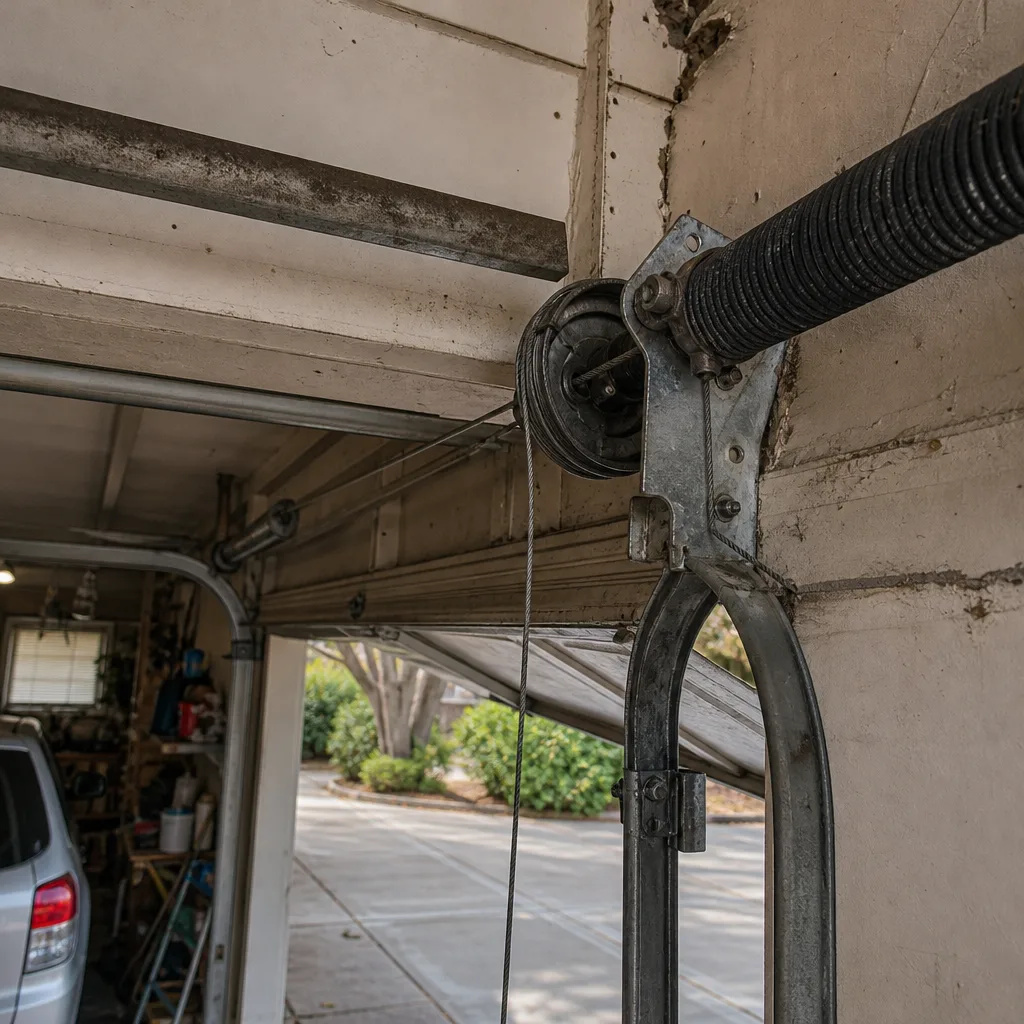 Before
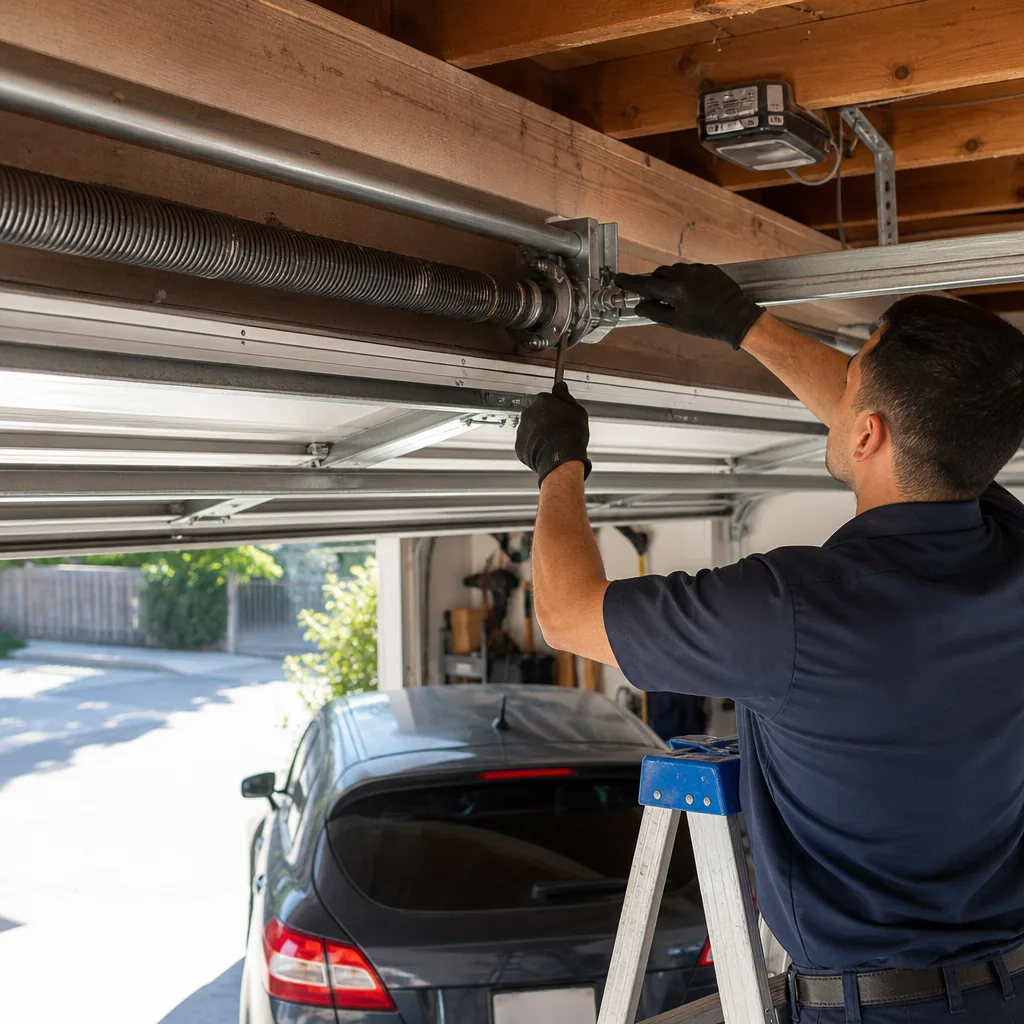 After
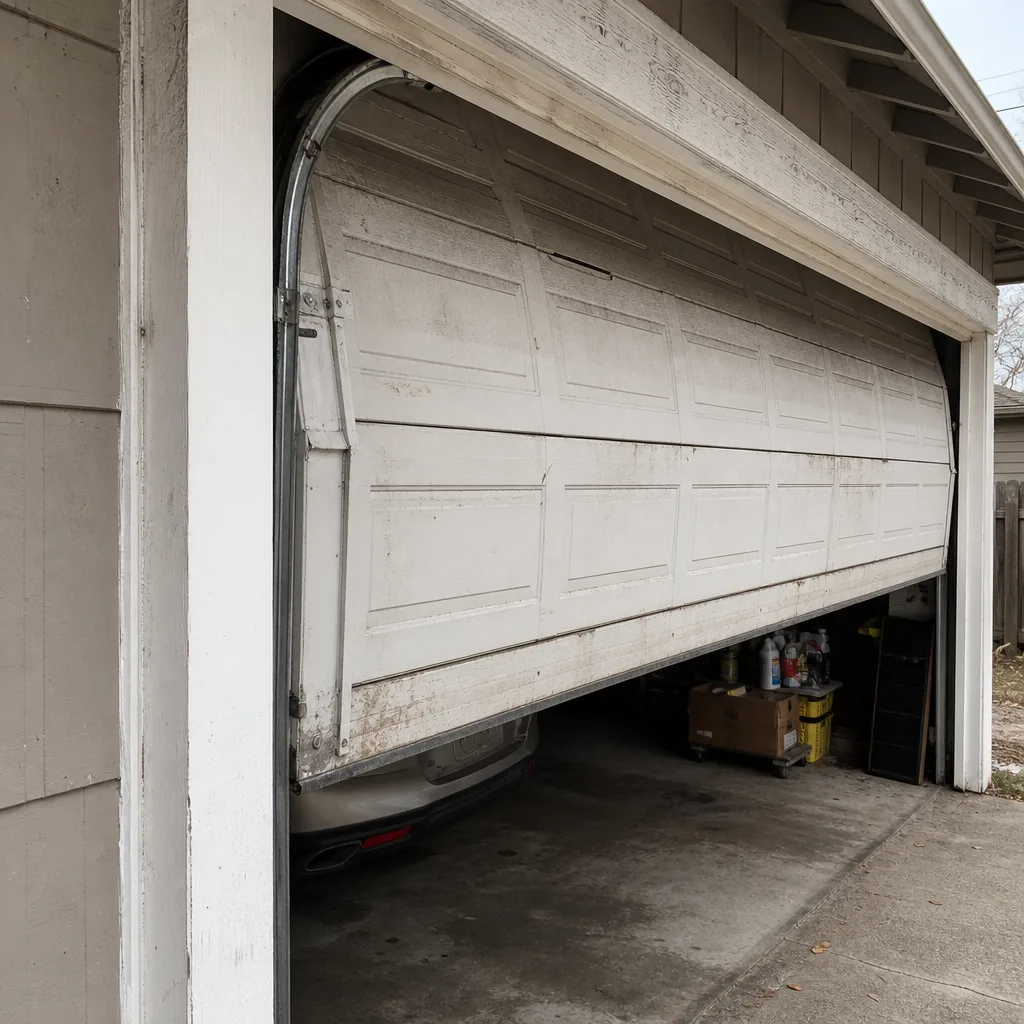 Before
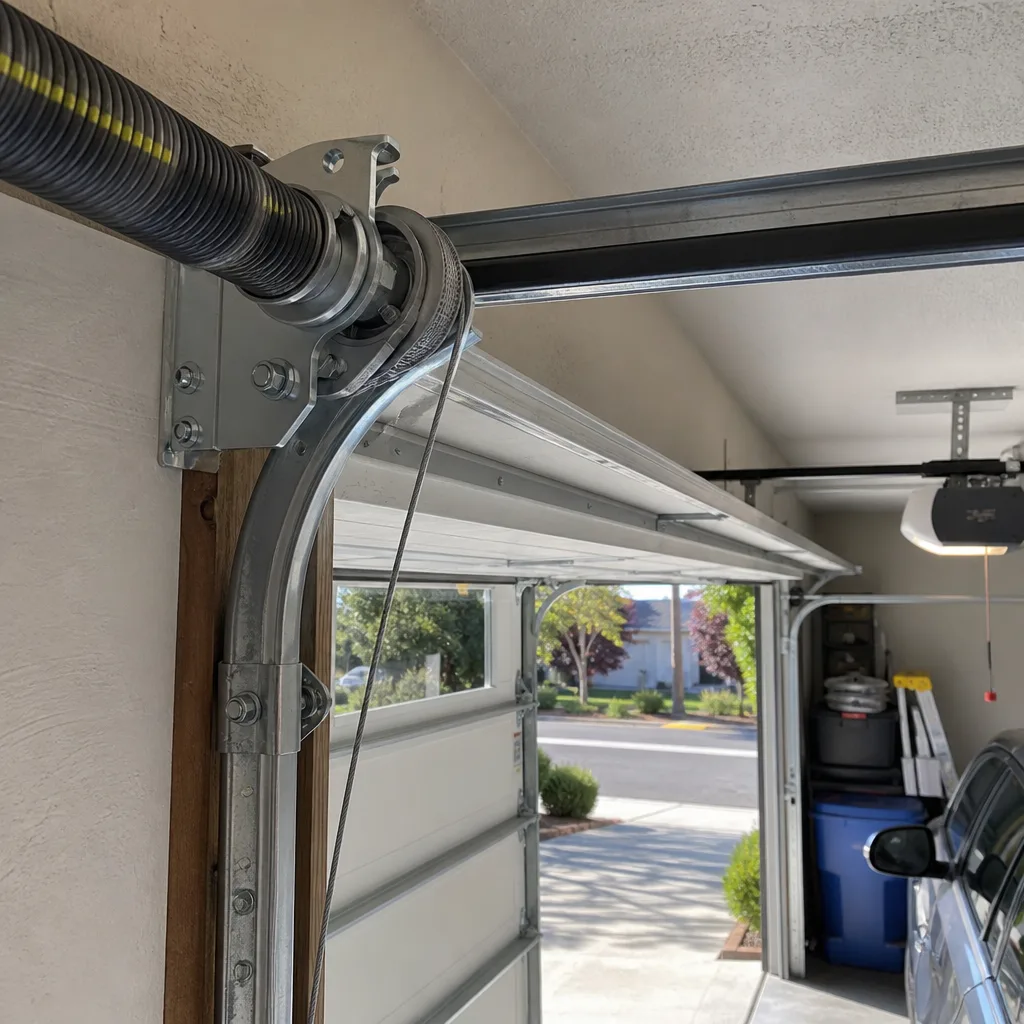 After
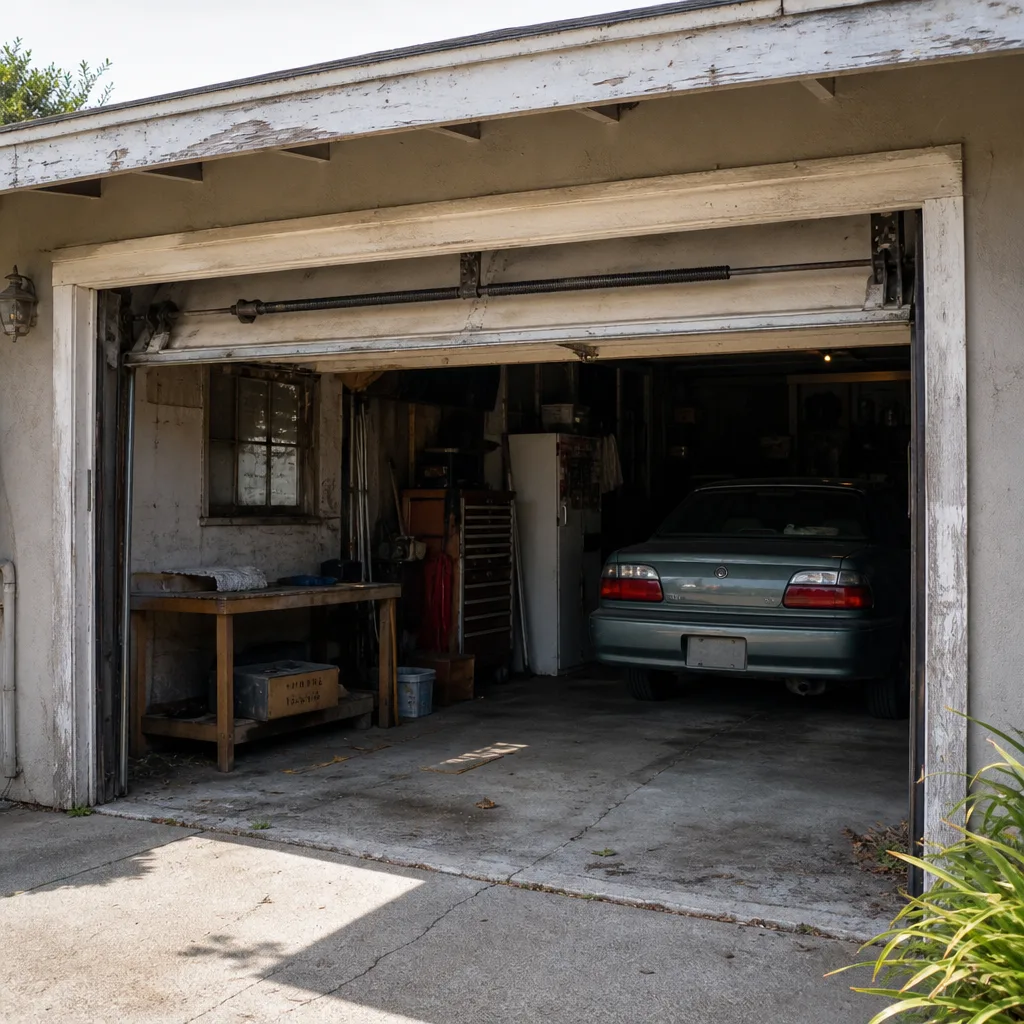 Before
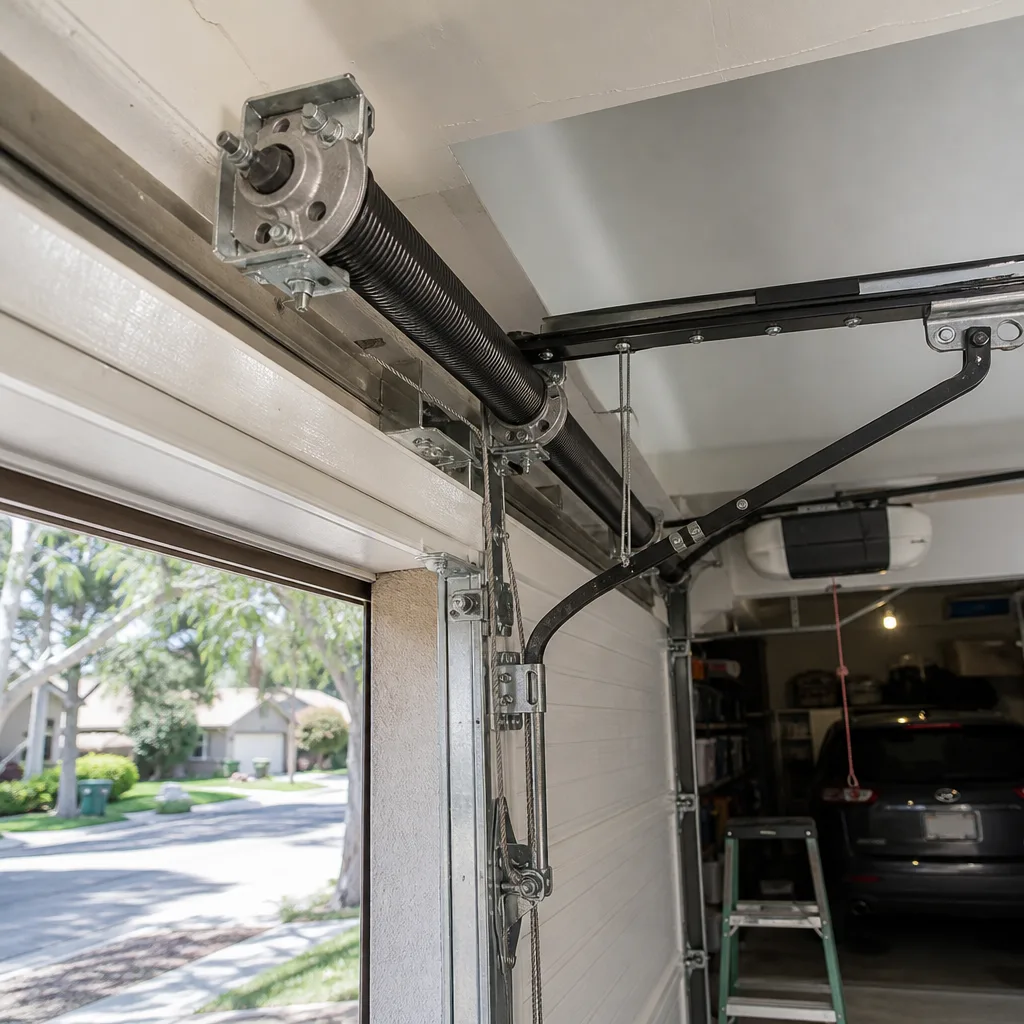 After